

Studio FAQ
Over the years, we have received a wide range of recurring questions from artists, producers and clients looking for guidance on our services, processes and the best way to prepare their music for mixing and mastering. To make things easier, our engineers have put together detailed answers covering the areas they are most frequently asked about, drawing on their own experience and individual areas of expertise.
These answers are designed to give you clear, practical information before placing an order or getting in touch, whether your question relates to file preparation, turnaround times, revisions, mastering formats, mixing requirements or anything else connected to the services we provide.
If your question isn’t addressed here, please click the button below to complete our contact form. Your inquiry will be sent directly to our team of engineers, who will review your message and respond as soon as possible with the information and guidance you need.
Contact UsMixing & Mastering FAQ
How Should I Send My Tracks?
There is no need to send raw multitracks. Instead, we prefer you send us your stems with the processing active. That way, your creative choices are included and ensures your song remains the way you intend it to sound.
- Include as much or as little processing on your audio tracks as you feel is essential to the character of your song.
- Any creative effects that define your sound should remain printed in the audio files.
- Leave EQ active if it contributes to your intended tone. If it’s purely corrective or mix-stage EQ, feel free to bypass it.
- Bypass compression unless it’s shaping the sound in a meaningful way or holding the performance together.
- Reverb can be removed if you’d like us to apply analogue reverb we feel suits the mix. Keep it active if it’s already integral to your sound.
- Delay is part of your production identity. Leave it active when it’s creative, rhythmic, or used only in specific moments of the track.
- You can leave panning in place, but removing it gives us more flexibility. If you decide to bypass panning, please include your preferred stereo positions in your mix notes.
- All vocal tuning and editing must be completed before exporting. Ensure breaths, clicks and unwanted artefacts are cleaned up.
- Always include a rough mix as a reference. This helps us confirm playback accuracy and ensure all creative processing is represented correctly.
What Is Mixing?
Audio mixing is the process of combining and adjusting multiple audio stems together to create a balanced and cohesive mix. Various individual audio elements such as vocals, instruments, drums, and ambient sounds are blended together in a way that they complement each other and create a pleasing sonic experience for the listener. The goal of mixing is to achieve clarity, depth, and balance within the audio, ensuring that each element can be heard clearly and that they interact harmoniously.
Audio mixing involves several important tasks:
- Level Balancing: Adjusting the volume levels of different audio elements to ensure that none of them overpower or get lost in the mix. This helps create a clear and even sound.
- Panning: Placing audio elements in the stereo field to create a sense of space and direction. Panning determines whether a sound appears to be coming from the left, right, center, or somewhere in between.
- Equalization (EQ): Using equalization to shape the frequency balance of each audio element. EQ is used to enhance or reduce specific frequencies to make elements sound clearer, warmer, or more distinct.
- Dynamics Processing: Applying tools like compression and limiting to control the dynamic range of audio elements. Compression helps balance the difference between loud and quiet parts, while limiting prevents audio from exceeding a certain loudness level.
- Effects: Adding various audio effects such as reverb, delay and others to create depth, ambiance, and texture within the mix.
The ultimate goal of audio mixing is to translate the artistic vision of the content creator into a polished and engaging audio experience for the audience. A skilled audio engineer will use their technical knowledge and creative instincts to shape the mix and bring out the best in each element, resulting in a final mix that sounds professional and emotionally impactful.
What Is Mastering?
Mastering is the final professional polish that makes your mix truly release ready. It ensures your track sounds great everywhere, whether it’s streaming, playing in the car, or on a hi-fi system. We fine-tune the stereo image, balance the EQ and compression, add just the right amount of loudness without over compressing, and run your music through high end professional mastering equipment. In short, mastering is what makes your song sound its absolute best everywhere it’s heard.
Audio mastering involves several important tasks:
- EQ: Balancing frequencies to ensure a clear, cohesive sound across all playback systems.
- Dynamic Processing: Controlling the track’s dynamics for consistent volume and punch without losing natural feel.
- Stereo Enhancement: Adjusting the stereo image to create a wider and more immersive listening experience.
- Loudness Optimization: Increasing overall volume to industry standards while maintaining clarity and detail.
- Final Quality Check: Ensuring the mastered track translates perfectly on all platforms and playback devices.
What Is Dolby Atmos Mastering?
By adding + Dolby Atmos Master to your order, you’ll receive a Dolby Atmos ADM master, a binaural mix, and surround re-renders. This means your music can be distributed on platforms like Apple Music, TIDAL, and Amazon Music as a fully 3D immersive experience. Dolby Atmos can be enjoyed using regular headphones, there is no need for a full Atmos speaker setup. The difference compared to stereo is simply mind-blowing.
Dolby Atmos Mastering involves several important tasks:
- Spatial Mixing: Creating a 3D audio landscape so each sound moves naturally in a three dimensional space.
- Binaural Rendering: Delivering a headphone friendly version that mimics the immersive Atmos experience without special equipment.
- Surround Re-renders: Providing multiple surround sound versions so your music is ready for any playback environment.
- Platform Optimisation: Ensuring your master is perfectly tuned for streaming services like Apple Music and TIDAL.
What Are The Benefits Of Releasing A Dolby Atmos ADM Master?
There are a few major benefits of releasing a Dolby Atmos master.
- Superior Sound when compared to a standard stereo master. A Dolby Atmos master can achieve a sound that has more space, depth and is overall more true to life and pleasing to the ear.
- More Royalties from streaming platforms. You will earn a better percentage of royalties from streaming platforms when release a Dolby Atmos master.
- Online Algorithms will favour songs that are released in Dolby Atmos as well as stereo, especially Apple Music that say that the preferred format is Dolby Atmos/Spatial Audio.
- Future Proofed with Dolby Atmos. Dolby Atmos is going to eventually replace stereo on all streaming platforms. By releasing your music now in Dolby Atmos ensures you are future proofed and ready for the inevitable switch.
- Better Chance Of Being Playlisted. By releasing a Dolby Atmos master you will have a far better chance of being playlisted on certain platforms. Being playlisted can make or break a release.
What Is The Turnaround?
The initial mix (Mix 1) will be returned to you within the time frame selected when placing your order. Turnaround time is based on days the engineer works between Monday to Friday. If you have a specific day you need your mix or master back for, please let us know when placing your order.
- 1 Working Day (mix 1 returned next working day)
- 2-5 Working Days (mix 1 returned within 2-5 working days)
- 5-7 Working Days (mix 1 returned within 5-7 working days)
What Is An Additional Mix?
By adding + Additional Mixes to your order, you will receive back the mixes for any of the following additional file types in stereo.
- Instrumental
- Acapella (vocal bus only)
- Performance Mix (version with lead vocal removed)
- Radio Edit (additional stems must be supplied)
- Extended Edit (additional stems must be supplied)
What Are Mixed Stems?
By adding + Mixed Stems to your order, you will receive back all stems as they are mixed in the session. Mixed stems will included all mixed buses as well as any reverb and delay sends. Playback of the mixed stems will playback as the finished stereo mix does. Mixed stems can be used for remix purposes and further production.
When Do I Pay For Mixing?
Orders / payment must be made before work on your song begins. This ensures our engineers, take the necessary time and care required to return you the very best mix and master.
What Is A Stem?
A stem should not be confused with a multitrack audio file. An audio stem refers to an individual isolated track or element that is part of a larger mix. Stems are created by splitting a full mix into its constituent parts, allowing for greater control over the individual elements during mixing. Stems are never sent RAW without processing and always include the plugin processing that is active on the channel.
How Many Mix Revisions Can I Make?
All mixing packages include 3 revisions. Mix revisions give you the peace of mind that the end result is going to be exactly as you want it. On the rare occasion you exceed 3 revisions, you can always purchase more via the revisions and re-runs page.
Should I Send A Rough Mix I Have Done?
100% yes, this is essential when working with an online mix engineer. The rough mix or demo mix will be used to establish that the stems you have sent playback correctly as well as include all automation and necessary processing. The rough mix is also used to correctly establish the balance you intend for each stem to be in the mix. By listening to the rough mix we can establish at what volume you intend a certain sound to be and where you intend it to be positioned in the mix.
What Is The Difference Between Dolby Atmos & Apple Spatial Audio?
There is technically no difference. Apple Spatial is what Apple call it and Dolby Atmos is what everyone else calls it. Apple spatial is played back through Apple’s own codec. All other streaming platforms playback using the Dolby Atmos codec.
How Do I Distribute A Dolby Atmos ADM?
The Dolby Atmos ADM and stereo master can be given to your desired distributor to release on platforms such as Apple Music, Tidal and Amazon Music. The Dolby Atmos and stereo masters sit alongside each other and depending on which format the listener has their device set to will determine which version they will hear. It is highly important that the Dolby Atmos and stereo versions perfectly sync with each other. If they do not sync perfectly your masters will be rejected.
Do I Need Both A Stereo And Dolby Atmos Master?
Yes, if you are distributing Dolby Atmos you will also need to distribute a stereo master. The two files play alongside each other and need to play in sync with each other too. The reason for this is that on streaming platforms you will be able to switch between the two formats on the fly and by doing so switches from stereo to Dolby Atmos instantly. If in sync your files simply switch from one to the other seamlessly.
What Happens If I Accidentally Send The Wrong Stems For Mixing?
Get in contact with us via email and we can simply replace the files. Please be sure to get in contact with us ASAP to ensure we have the correct files to mix before work commences. If work has already started on your mix and the entire mix requires new stems, charges will apply.
What Genres Of Music Can You Mix?
A good mix engineer will be able to work with all genres of music not just one. At Audio Animals we pride ourselves on the fact that we work with all genres of music from every corner of the globe. Being an online mixing and mastering studio working worldwide there is not a genre of music we have not worked with.
What Will I Receive Back?
Stereo mixes are returned in the following formats, if you require any others, please let us know:
- 96kHz 24bit wav
Stereo masters are returned in the following formats, if you require any others, please let us know:
- 96kHz 24bit wav
- 48kHz 24bit wav
- 44.kHz 24bit wav
- 44.1kHz 16bit wav
- 320kbs 16bit mp3
Dolby Atmos masters are returned in the following formats:
- 48kHz 24bit ADM
- 96kHz 24bit ADM
- 96kHz 24bit binaural mix
- 96kHz 24bit re-renders
- 768kbs mp4
Should I Leave Plugins Active?
Yes, please leave all plugins active if they are essential to your production. A good rule of thumb is to ask yourself: if I bypass this plugin, does it remove part of the sound I am trying to achieve? If the answer is yes, leave it on. Any creative processing that is central to your song should remain active.
Should I Leave Panning Active?
It is entirely up to you. As we will be applying panning during the mix, you can leave everything centred. Generally, it is better for us to handle the panning ourselves. However, if there are specific sounds you want placed in certain positions within the stereo field, please send a list of those stems along with details of where you would like them positioned.
Should I Leave Automation Active?
Yes, any automation added for a specific reason should remain active, as it is part of the sound you are trying to achieve.
Should I Leave Reverb Active?
Reverb will be added as part of the mixing process. The only time I would recommend leaving it active is if you have applied a specific reverb exactly as you want it, or if it plays an important creative role in the sound of the track. Additionally we will be using analogue reverbs that sound incredible.
Should I Leave Delay Active?
100% yes. Delay is something that can have a million different outcomes. If you have added delay that is specific to your taste and how you want delay to sound, this delay would be considered as part of your production. To remove this delay would be to remove an essential part of your sound. We always recommend leaving delay active if you want it in your track. We will not add delay as standard as this is a creative effect that is specific to the production and not necessarily the mix. If delay is required from a mix perspective we will by all means add it how we see fit to get the best results.
Can I send Raw Vocal Recordings?
By adding + Vocal Production / Editing to your order, you can send your RAW vocal recordings exactly as they are. We will clean every take removing pops, clicks, breaths, and any unwanted noise. Then the creative work begins. Your vocals are shaped, enhanced, and produced with tailored processing and effects, ensuring they are ready for mixing.
Can You Tune Vocals?
No, all vocal tuning should be completed prior to mixing. If you need vocal tuning, please contact us to discuss pricing for this as an additional service. It is important that your vocals are fully comped, finished, and prepared for mixing in advance.
Mastering FAQ
What Studio Should I Select – Studio A or Studio B?
While both studios deliver exceptional mastering results, Studio A is regarded as our primary stereo mastering studio, while Studio B is regarded as our primary mixing and mastering studio. We recommend choosing your studio based on your previous experience working with the mastering engineer. If you’re unsure which engineer to choose, simply select Unsure / Next Available from the menu, and we will assign the engineer best suited to your song.
Studio A (Nick Burchall) is Audio Animals primary mastering studio and the one we most often recommend. It features one of the finest mastering chains in the world, built around a truly unique selection of highly sought-after mastering equipment.
Studio B (Paul Ashmore) is Audio Animals primary mixing and mastering studio. Its mastering chain includes some of the industry’s finest digitally recallable mastering equipment, offering a more modern workflow and a contemporary sound.
What Is The Turnaround?
All orders will be turned around within the time frame selected when placing your order. Turnaround time is based on days the selected engineer works between Monday to Friday. If you have a specific day you need your master back for, please let us know when placing your order.
- 1 Working Day (returned next working day)
- 2-5 Working Days (returned within 2-5 working days)
- 5-7 Working Days (returned within 5-7 working days)
What Is Mastering?
Mastering is the final professional polish that makes your mix truly release ready. It ensures your track sounds great everywhere, whether it’s streaming, playing in the car, or on a hi-fi system. We fine-tune the stereo image, balance the EQ and compression, add just the right amount of loudness without over compressing, and run your music through high end professional mastering equipment. In short, mastering is what makes your song sound its absolute best everywhere it’s heard.
Audio mastering involves several important tasks:
- EQ: Balancing frequencies to ensure a clear, cohesive sound across all playback systems.
- Dynamic Processing: Controlling the track’s dynamics for consistent volume and punch without losing natural feel.
- Stereo Enhancement: Adjusting the stereo image to create a wider and more immersive listening experience.
- Loudness Optimization: Increasing overall volume to industry standards while maintaining clarity and detail.
- Final Quality Check: Ensuring the mastered track translates perfectly on all platforms and playback devices.
What Is Dolby Atmos Mastering?
By adding + Dolby Atmos Master to your order, you’ll receive a Dolby Atmos ADM master, a binaural mix, and surround re-renders. This means your music can be distributed on platforms like Apple Music, TIDAL, and Amazon Music as a fully 3D immersive experience. Dolby Atmos can be enjoyed using regular headphones, there is no need for a full Atmos speaker setup. The difference compared to stereo is simply mind-blowing.
Dolby Atmos Mastering involves several important tasks:
- Spatial Mixing: Creating a 3D audio landscape so each sound moves naturally in a three dimensional space.
- Binaural Rendering: Delivering a headphone friendly version that mimics the immersive Atmos experience without special equipment.
- Surround Re-renders: Providing multiple surround sound versions so your music is ready for any playback environment.
- Platform Optimisation: Ensuring your master is perfectly tuned for streaming services like Apple Music and TIDAL.
What Are The Benefits Of Releasing A Dolby Atmos ADM Master?
There are a few major benefits of releasing a Dolby Atmos master.
- Superior Sound when compared to a standard stereo master. A Dolby Atmos master can achieve a sound that has more space, depth and is overall more true to life and pleasing to the ear.
- More Royalties from streaming platforms. You will earn a better percentage of royalties from streaming platforms when release a Dolby Atmos master.
- Online Algorithms will favour songs that are released in Dolby Atmos as well as stereo, especially Apple Music that say that the preferred format is Dolby Atmos/Spatial Audio.
- Future Proofed with Dolby Atmos. Dolby Atmos is going to eventually replace stereo on all streaming platforms. By releasing your music now in Dolby Atmos ensures you are future proofed and ready for the inevitable switch.
- Better Chance Of Being Playlisted. By releasing a Dolby Atmos master you will have a far better chance of being playlisted on certain platforms. Being playlisted can make or break a release.
What Is Stem Mastering?
Stem mastering is the process of summing up to 25 stems together and mastering the summed stems across the master bus. The benefit of working in this way is that the engineer has control over each individual stem that is summing to the master bus. Resulting in being able to process and balance each individual stem correctly to get the very best from the song.
What Are The Benefits Of Stem Mastering?
The main benefit of stem mastering is that the engineer has full control over each stem when mastering. For instance if the vocals are too loud we are able to decrease the volume without affecting any other stem. As well if the bass is too quiet, instead of using EQ to bring the bass volume up, which in tern brings up the frequency of other sounds in the frequency range, we are able to use gain to increase the bass stem independently of all other sounds in that frequency range.
What Is The Difference Between Apple Spatial And Dolby Atmos?
There is technically no difference. Apple Spatial is what Apple call it and Dolby Atmos is what everyone else calls it. Apple spatial is played back through Apple’s own codec. All other streaming platforms playback using the Dolby Atmos codec.
Can You Work With Music Made Using AI?
Yes. We can master music created using AI tools, but we recommend letting us know before submitting your track. AI-generated music can often present different technical challenges to traditionally recorded or produced material, so knowing this in advance allows us to approach the mastering process appropriately.
Depending on how the track has been generated, we may need to pay particular attention to areas such as tonal balance, harshness, dynamics, stereo imaging, low-end control and overall clarity. AI-created audio can sometimes contain unusual artefacts or processing characteristics that benefit from a more considered mastering approach rather than simply treating the track in the same way as a conventional mix.
By telling us beforehand that your track has been created using AI, we can assess it with this in mind and tailor the mastering process to achieve the strongest, most natural and commercially competitive result possible.
What Is Apple Digital Mastering?
By adding + Apple Digital Master to your order, you will receive back both the stereo master as well as the Apple Digital Master. This master can then be released on Apple Music as an official Apple Digital Master that is optimised specifically for Apple Music. All Apple Digital Masters are rendered at 96k giving them Hi Res Apple Digital Master badge on Apple Music.
What Is Vinyl Mastering?
By adding + Vinyl Master to your order, you will receive back an additional version of your master optimised ready to be pressed to vinyl. This master will be ready to send to your cutting house of choice. It is very important that a master optimised to be pressed to vinyl is used and not a master that is designed for digital distribution.
What Is An Additional Master?
By adding + Additional Stereo Master to your order, you will receive back all additional mixes mastered through the same mastering chain as the original mix.
- Instrumental
- Acapella (vocal bus only)
- Performance Mix (version with lead vocal removed)
- Radio Edit (additional stems must be supplied)
- Extended Edit (additional stems must be supplied)
What Is Stereo Mastered Stems?
By adding + Stereo Mastered Stems to your order, you will receive back all stems provided mastered through the exact same mastering chain as the stereo mix. Mastered stems can be used for film and TV licensing as well as remix purposes and further production.
When Do I Pay For Mastering?
Orders / payment must be made before work on your song begins. This ensures our engineers, take the necessary time and care required to return you the very best master.
How Many Revisions Can I Make?
Mastering includes 2 revisions. Mastering revisions give you the peace of mind that the end result is going to be exactly as you want it. On the rare occasion you exceed 2 revisions, you can always purchase more via our revisions and re-runs page.
If you need to change the mix in any way after mastering there is a master re-run fee of £10. This small charge covers the engineers time to recall the mastering chain and re-record the updated master.
Should I Leave My Mastering Plugins Active?
It is advised to remove all plugins from your master bus that effect dynamic range. This includes plugins such as compression or limiting. It is best to remove all plugins but we understand that some clients want to leave EQ or saturation active as it is part of their sound. The reason we suggest removing master bus processing is so that we have a mix that has full dynamic range and we are able to compress and limit at the correct stage of the mastering chain.
What If I Have Accidentally Sent The Wrong Mix For Mastering?
If work has not yet begun on your song, you can simply get in touch with us and replace the file.
If work has already begun on your song and you need to replace the mix for a new one. Two outcomes will occur.
If the mix is technically the same song and same mix but there is a change resulting in the song needing to be re-run. There is a small charge of £10 for a master re-run to cover the time the engineer must take to re-run your song.
If the mix is completely different or a different song altogether, a new order for mastering will need to be placed. The reason for this is because mastering will need to be started from scratch and the previous master scrapped.
Before sending your song always make sure that the mix is correct and the file you are sending is the mix you intend to be mastered.
Why Should I Get My Music Professionally Mastered?
Mastering is one of the most important parts of the engineering process of a song. Mastering can make or break a song. Too many artists fall at the final hurdle with poor quality mastering using either digital plugins or guesswork using AI mastering. A professional mastering engineer will ensure your music plays back correctly across all devices. Nothing comes close to a skilled engineer in a 100% accurate room using high quality analogue mastering equipment.
How Do I Send My Files?
Your mix can be uploaded safely and securely via the upload page here. Bypass any compression / limiting you may have on your master bus before printing your audio ready for mastering.
- File Type: Wav
- Bitrate: 16/24/32bit
- Sample Rate: 44,1kHz – 96kHz
- Headroom: -3db / -6db
My Mix Is Limited Or Clipping Can You Still Work With This?
It is not ideal but yes we can work with a limited or clipped mix. The approach to mastering a limited mix is similar but requires a very precise approach in order to ensure the song is not over compressed or distorted.
I Only Have A Mp3 Is This Ok To Work With?
If an mp3 is the highest quality file you have and you are unable to obtain a high quality wav file, we will be able to work with this.
What Will I Receive Back?
Stereo masters are returned in the following formats, if you require any others, please let us know:
- 96kHz 24bit wav
- 48kHz 24bit wav
- 44.kHz 24bit wav
- 44.1kHz 16bit wav
- 320kbs 16bit wav
Dolby Atmos masters are returned in the following formats:
- 48kHz 24bit wav ADM
- 96kHz 24bit wav ADM
- 96kHz 24bit wav binaural mix
- 96kHz 24bit wav re-renders
- 768kbs mp4
Can I Credit Audio Animals For The Mastering?
Yes, if you would like to credit Audio Animals for the mastering of your music you can do so. Please credit Audio Animals Ltd and either Paul Ashmore or Nick Burchall as the mastering engineer. This is not required but is greatly appreciated.
Dolby Atmos Mastering FAQ
What Studio Should I Select – Studio A or Studio B?
Whilst both Dolby Atmos mastering studios will produce an exceptional master. Studio B is thought of as our primary Dolby Atmos studio that is equipped with a state of the art Dolby Atmos 7.1.6 PMC System. One of the best sounding Dolby Atmos rooms the music industry has to offer.
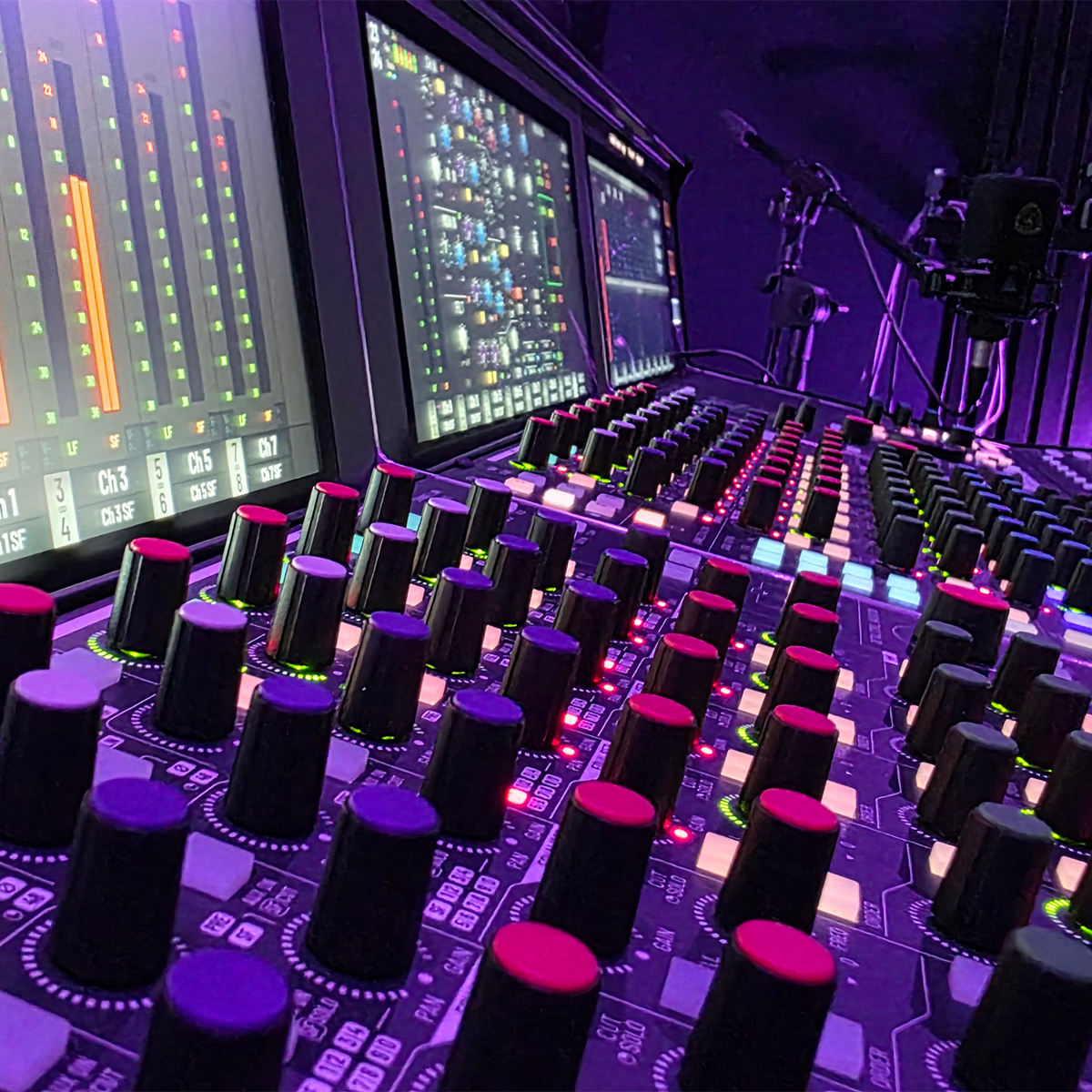
Studio B (Paul Ashmore) is Audio Animals primary Dolby Atmos mastering studio. It is equipped with a state-of-the-art 7.1.6 PMC monitoring system, optimised by Trinnov to deliver an exceptional listening experience and one of the finest sounding Dolby Atmos environments you are ever likely to hear. Studio B also features an Avid S4 console, used to control every aspect of the Dolby Atmos mix, alongside a Solid State Logic console that enables EQ and compression to be applied to up to 48 objects in the analogue domain.
Studio A (Nick Burchall) is equipped with a 7.1.4 Ex Machina Dolby Atmos system, optimised by Trinnov to deliver a pinpoint-accurate listening experience.
What Is The Turnaround?
All orders will be turned around within the time frame selected when placing your order. Turnaround time is based on days the selected engineer works between Monday to Friday. If you have a specific day you need your master back for, please let us know when placing your order.
- 1 Working Day (mix 1 returned next working day)
- 2-5 Working Days (mix 1 returned within 2-5 working days)
- 5-7 Working Days (mix 1 returned within 5-7 working days)
What Is Dolby Atmos Mastering?
Dolby Atmos mastering is a process that allows us to take your songs mixed stems and transform it into a Dolby Atmos master. Working in our Dolby Atmos mastering studios we are able to position and pan your song in a 3D space. Creating a fully immersive and spatial master that can then be released on streaming platforms such as Apple Music, Amazon and Tidal. The difference this service makes is outstanding and quite honestly takes your music to an unimaginable level.
Can You Dolby Atmos Master A Stereo Mix Or Do I need Stems?
Yes, we can create a Dolby Atmos master from a stereo mix, but there are some important limitations to be aware of. To do this, we would need to use stem-separation technology to extract individual elements from the stereo file before building the Atmos mix.
While this can work, streaming platforms may detect that the stems have been artificially separated from a stereo master, which can increase the risk of the Atmos version being rejected during their quality-control checks.
For the best results and the highest chance of your release passing platform checks successfully, we strongly recommend supplying the original stems from your mix. This gives us much more control over the Atmos master and avoids the potential issues associated with stem separation.
Can You Master My Dolby Atmos ADM Mix?
Yes, a Dolby Atmos mix can be delivered as an ADM File for mastering. We will then take your ADM mix and perform the mastering to the strict guidelines in place for Dolby Atmos delivery.
Can You Turn My Mixed Song Stems Into A Dolby Atmos Master?
Yes, this is a very common practice of Dolby Atmos mastering. We can take your stereo mixed stems and position them into a 3D space. Creating a fully immersive and inspiring Dolby Atmos master. It doesn’t matter if your song is already released in stereo. You can submit your songs mixed stems and stereo master to be matched and delivered back to you ready to release as a Dolby Atmos ADM on streaming platforms.
Does My Song Have To Be Mixed In Dolby Atmos To Be Mastered In Dolby Atmos?
No, your song can be mixed in stereo and then positioned in Dolby Atmos. Your mix balance and processing is kept the same but with the added benefit of positioning each stem into a 3D space in Dolby Atmos.
What Are The Benefits Of Releasing A Dolby Atmos ADM Master?
There are a few major benefits of releasing a Dolby Atmos master.
- Superior Sound when compared to a standard stereo master. A Dolby Atmos master can achieve a sound that has more space, depth and is overall more true to life and pleasing to the ear.
- More Royalties from streaming platforms. You will earn a better percentage of royalties from streaming platforms when release a Dolby Atmos master.
- Online Algorithms will favour songs that are released in Dolby Atmos as well as stereo, especially Apple Music that say that the preferred format is Dolby Atmos/Spatial Audio.
- Future Proofed with Dolby Atmos. Dolby Atmos is going to eventually replace stereo on all streaming platforms. By releasing your music now in Dolby Atmos ensures you are future proofed and ready for the inevitable switch.
- Better Chance Of Being Playlisted. By releasing a Dolby Atmos master you will have a far better chance of being playlisted on certain platforms. Being playlisted can make or break a release.
What Is The Difference Between Apple Spatial And Dolby Atmos?
There is technically no difference. Apple Spatial is what Apple call it and Dolby Atmos is what everyone else calls it. Apple spatial is played back through Apple’s own codec. All other streaming platforms playback using the Dolby Atmos codec. Apple spatial does not use the near, mid and far metadata.
When Do I Pay For Mastering?
Orders / payment must be made before work on your song begins. This ensures our engineers, take the necessary time and care required to return you the very best master.
What Is An Additional Masters?
By adding + Additional Masters to your order, you will receive back any of the following mixes mastered in Dolby Atmos.
- Instrumental
- Radio Edit (additional stems must be supplied)
- Extended Edit (additional stems must be supplied)
How Many Revisions Can I Make?
Dolby Atmos Mastering includes 2 revisions. Mastering revisions give you the peace of mind that the end result is going to be exactly as you want it. On the rare occasion you exceed 2 revisions, you can always purchase more via our revisions and re-runs page.
If you need to change the mix in any way after mastering there is a master re-run fee of £20. This small charge covers the engineers time to reprint the Dolby Atmos master.
What If I Have Accidentally Sent The Wrong Stems For Mastering?
If work has not yet begun on your song, you can simply get in touch with us and replace the files.
If work has already begun on your song and you need to replace the stems. Two outcomes will occur.
If the mix is technically the same song and same mix but there is a change resulting in the song needing to be re-run. There is a small charge of £20 to cover the time the engineer must take to re-run your song.
If the mix is completely different or a different song altogether, a new order for mastering will need to be placed. The reason for this is because mastering will need to be started from scratch and the previous master scrapped.
Before sending your song always make sure that the stems play back correctly and the files you are sending is the mix you intend to be mastered.
How Should I Send Stems For Dolby Atmos Mastering?
Your stems can be uploaded securely via the upload page here. Bypass all processing you may have on your master bus. For Dolby Atmos mastering it is very important that the stems playback 100% identical to the finished stereo mix. Please bear in mind that no mixing or volume adjustments are made to each individual stem. All sound design processing must be left active on each stem. Do not normalize stems or change their volume. Playback of your stems should be exactly as your finished stereo mix plays back. We recommend loading your stems into a new DAW session and referencing against your finished stereo mix to ensure playback of your stems is correct.
- File Type: Wav
- Bitrate: 16/24/32bit
- Sample Rate: 44,1kHz – 96kHz
- Headroom: -3db / -6db
Should I Send My Finished Stereo Mix Or Master?
If you are only ordering Dolby Atmos mastering you will need to supply your stereo master. It is important that we sync the timeline of the Dolby Atmos master to the stereo master. This ensures playback on streaming platforms can switch between stereo and Dolby Atmos seamlessly.
How Do I Distribute A Dolby Atmos ADM?
The Dolby Atmos ADM and stereo master can be given to your desired distributor to release on platforms such as Apple Music, Tidal and Amazon Music. The Dolby Atmos and stereo masters sit alongside each other and depending on which format the listener has their device set to will determine which version they will hear. It is highly important that the Dolby Atmos and stereo versions perfectly sync with each other. If they do not sync perfectly your masters will be rejected.
What Genres Of Music Can You Mix?
A good mix engineer will be able to work with all genres of music not just one. At Audio Animals we pride ourselves on the fact that we work with all genres of music from every corner of the globe. Being an online mixing and mastering studio working worldwide there is not a genre of music we have not worked with.
Do I Need Both A Stereo And Dolby Atmos Master?
Yes, if you are distributing Dolby Atmos you will also need to distribute a stereo master. The two files play alongside each other and need to play in sync with each other too. The reason for this is that on streaming platforms you will be able to switch between the two formats on the fly and by doing so switches from stereo to Dolby Atmos instantly. If in sync your files simply switch from one to the other seamlessly.
What Happens If I Accidentally Send The Wrong Stems?
Get in contact with us via email and we can simply replace the files. Please be sure to get in contact with us ASAP to ensure we have the correct files to work with before work commences. If work has already started on your Dolby Atmos mastering and the entire song requires new stems, charges will apply.
What Genres Of Music Can You Work With In Dolby Atmos?
A good Dolby Atmos engineer will be able to work with all genres of music not just one. At Audio Animals we pride ourselves on the fact that we work with all genres of music from every corner of the globe. Being an online Dolby Atmos mixing and mastering studio working worldwide there is not a genre of music we have not worked with.
All music works well mastered in Dolby Atmos. Some better than others. The more stems you are able to provide the more immersive and spacious your Dolby Atmos master will sound.
What Will I Receive Back?
Dolby Atmos masters are returned in the following formats:
- 48kHz 24bit wav ADM
- 96kHz 24bit wav ADM
- 96kHz 24bit wav binaural mix
- 96kHz 24bit wav re-renders
- 768kbs mp4
Should I Leave My Plugins Active?
Yes for Dolby Atmos mastering all plugins must be left active. The playback of stems should be identical to the finished stereo mix and include all plugins and automation. We recommend loading your stems into a new DAW session and referencing against your finished stereo mix to ensure playback of your stems is correct.
Should I Leave Panning Active?
For Dolby Atmos mastering all panning must be active and playback of your stems must playback identically to the finished stereo mix. We recommend loading your stems into a new DAW session and referencing against your finished stereo mix to ensure playback of your stems is correct.
Should I Leave Automation Active?
100% yes, automation should always be active. Automation is part of your mix and if removed results in an unfinished mix. All automation including volume, modulation, EQ, reverb or delay automation must be kept active. We recommend loading your stems into a new DAW session and referencing against your finished stereo mix to ensure playback of your stems is correct.
Should I Leave Reverb & Delay Active?
For Dolby Atmos mastering reverb must be printed to the stems or delivered as a 100% wet stem. It is important that playback of the stems plays back 100% identically to the finished stereo mix.
Dolby Atmos Mixing FAQ
How Should I Send My Tracks?
There is no need to send raw multitracks. Instead, we prefer you send us your stems with the processing active. That way, your creative choices are included and ensures your song remains the way you intend it to sound.
- Include as much or as little processing on your audio tracks as you feel is essential to the character of your song.
- Any creative effects that define your sound should remain printed in the audio files.
- Leave EQ active if it contributes to your intended tone. If it’s purely corrective or mix-stage EQ, feel free to bypass it.
- Bypass compression unless it’s shaping the sound in a meaningful way or holding the performance together.
- Reverb can be removed if you’d like us to apply analogue reverb we feel suits the mix. Keep it active if it’s already integral to your sound.
- Delay is part of your production identity. Leave it active when it’s creative, rhythmic, or used only in specific moments of the track.
- You can leave panning in place, but removing it gives us more flexibility. If you decide to bypass panning, please include your preferred stereo positions in your mix notes.
- All vocal tuning and editing must be completed before exporting. Ensure breaths, clicks and unwanted artefacts are cleaned up.
- Always include a rough mix as a reference. This helps us confirm playback accuracy and ensure all creative processing is represented correctly.
What Is Mixing?
Audio mixing is the process of combining and adjusting multiple audio stems together to create a balanced and cohesive mix. Various individual audio elements such as vocals, instruments, drums, and ambient sounds are blended together in a way that they complement each other and create a pleasing sonic experience for the listener. The goal of mixing is to achieve clarity, depth, and balance within the audio, ensuring that each element can be heard clearly and that they interact harmoniously.
Audio mixing involves several important tasks:
- Level Balancing: Adjusting the volume levels of different audio elements to ensure that none of them overpower or get lost in the mix. This helps create a clear and even sound.
- Panning: Placing audio elements in the stereo field to create a sense of space and direction. Panning determines whether a sound appears to be coming from the left, right, center, or somewhere in between.
- Equalization (EQ): Using equalization to shape the frequency balance of each audio element. EQ is used to enhance or reduce specific frequencies to make elements sound clearer, warmer, or more distinct.
- Dynamics Processing: Applying tools like compression and limiting to control the dynamic range of audio elements. Compression helps balance the difference between loud and quiet parts, while limiting prevents audio from exceeding a certain loudness level.
- Effects: Adding various audio effects such as reverb, delay and others to create depth, ambiance, and texture within the mix.
The ultimate goal of audio mixing is to translate the artistic vision of the content creator into a polished and engaging audio experience for the audience. A skilled audio engineer will use their technical knowledge and creative instincts to shape the mix and bring out the best in each element, resulting in a final mix that sounds professional and emotionally impactful.
What Is Mastering?
Mastering is the final professional polish that makes your mix truly release ready. It ensures your track sounds great everywhere, whether it’s streaming, playing in the car, or on a hi-fi system. We fine-tune the stereo image, balance the EQ and compression, add just the right amount of loudness without over compressing, and run your music through high end professional mastering equipment. In short, mastering is what makes your song sound its absolute best everywhere it’s heard.
Audio mastering involves several important tasks:
- EQ: Balancing frequencies to ensure a clear, cohesive sound across all playback systems.
- Dynamic Processing: Controlling the track’s dynamics for consistent volume and punch without losing natural feel.
- Stereo Enhancement: Adjusting the stereo image to create a wider and more immersive listening experience.
- Loudness Optimization: Increasing overall volume to industry standards while maintaining clarity and detail.
- Final Quality Check: Ensuring the mastered track translates perfectly on all platforms and playback devices.
What Is Dolby Atmos Mastering?
By adding + Dolby Atmos Master to your order, you’ll receive a Dolby Atmos ADM master, a binaural mix, and surround re-renders. This means your music can be distributed on platforms like Apple Music, TIDAL, and Amazon Music as a fully 3D immersive experience. Dolby Atmos can be enjoyed using regular headphones, there is no need for a full Atmos speaker setup. The difference compared to stereo is simply mind-blowing.
Dolby Atmos Mastering involves several important tasks:
- Spatial Mixing: Creating a 3D audio landscape so each sound moves naturally in a three dimensional space.
- Binaural Rendering: Delivering a headphone friendly version that mimics the immersive Atmos experience without special equipment.
- Surround Re-renders: Providing multiple surround sound versions so your music is ready for any playback environment.
- Platform Optimisation: Ensuring your master is perfectly tuned for streaming services like Apple Music and TIDAL.
What Are The Benefits Of Releasing A Dolby Atmos ADM Master?
There are a few major benefits of releasing a Dolby Atmos master.
- Superior Sound when compared to a standard stereo master. A Dolby Atmos master can achieve a sound that has more space, depth and is overall more true to life and pleasing to the ear.
- More Royalties from streaming platforms. You will earn a better percentage of royalties from streaming platforms when release a Dolby Atmos master.
- Online Algorithms will favour songs that are released in Dolby Atmos as well as stereo, especially Apple Music that say that the preferred format is Dolby Atmos/Spatial Audio.
- Future Proofed with Dolby Atmos. Dolby Atmos is going to eventually replace stereo on all streaming platforms. By releasing your music now in Dolby Atmos ensures you are future proofed and ready for the inevitable switch.
- Better Chance Of Being Playlisted. By releasing a Dolby Atmos master you will have a far better chance of being playlisted on certain platforms. Being playlisted can make or break a release.
What Is The Turnaround?
The initial mix (Mix 1) will be returned to you within the time frame selected when placing your order. Turnaround time is based on days the engineer works between Monday to Friday. If you have a specific day you need your mix or master back for, please let us know when placing your order.
- 1 Working Day (mix 1 returned next working day)
- 2-5 Working Days (mix 1 returned within 2-5 working days)
- 5-7 Working Days (mix 1 returned within 5-7 working days)
What Is An Additional Mix?
By adding + Additional Mixes to your order, you will receive back the mixes for any of the following additional file types in stereo.
- Instrumental
- Acapella (vocal bus only)
- Performance Mix (version with lead vocal removed)
- Radio Edit (additional stems must be supplied)
- Extended Edit (additional stems must be supplied)
What Are Mixed Stems?
By adding + Mixed Stems to your order, you will receive back all stems as they are mixed in the session. Mixed stems will included all mixed buses as well as any reverb and delay sends. Playback of the mixed stems will playback as the finished stereo mix does. Mixed stems can be used for remix purposes and further production.
When Do I Pay For Mixing?
Orders / payment must be made before work on your song begins. This ensures our engineers, take the necessary time and care required to return you the very best mix and master.
What Is A Stem?
A stem should not be confused with a multitrack audio file. An audio stem refers to an individual isolated track or element that is part of a larger mix. Stems are created by splitting a full mix into its constituent parts, allowing for greater control over the individual elements during mixing. Stems are never sent RAW without processing and always include the plugin processing that is active on the channel.
How Many Mix Revisions Can I Make?
All mixing packages include 3 revisions. Mix revisions give you the peace of mind that the end result is going to be exactly as you want it. On the rare occasion you exceed 3 revisions, you can always purchase more via the revisions and re-runs page.
Should I Send A Rough Mix I Have Done?
100% yes, this is essential when working with an online mix engineer. The rough mix or demo mix will be used to establish that the stems you have sent playback correctly as well as include all automation and necessary processing. The rough mix is also used to correctly establish the balance you intend for each stem to be in the mix. By listening to the rough mix we can establish at what volume you intend a certain sound to be and where you intend it to be positioned in the mix.
What Is The Difference Between Dolby Atmos & Apple Spatial Audio?
There is technically no difference. Apple Spatial is what Apple call it and Dolby Atmos is what everyone else calls it. Apple spatial is played back through Apple’s own codec. All other streaming platforms playback using the Dolby Atmos codec.
How Do I Distribute A Dolby Atmos ADM?
The Dolby Atmos ADM and stereo master can be given to your desired distributor to release on platforms such as Apple Music, Tidal and Amazon Music. The Dolby Atmos and stereo masters sit alongside each other and depending on which format the listener has their device set to will determine which version they will hear. It is highly important that the Dolby Atmos and stereo versions perfectly sync with each other. If they do not sync perfectly your masters will be rejected.
Do I Need Both A Stereo And Dolby Atmos Master?
Yes, if you are distributing Dolby Atmos you will also need to distribute a stereo master. The two files play alongside each other and need to play in sync with each other too. The reason for this is that on streaming platforms you will be able to switch between the two formats on the fly and by doing so switches from stereo to Dolby Atmos instantly. If in sync your files simply switch from one to the other seamlessly.
What Happens If I Accidentally Send The Wrong Stems For Mixing?
Get in contact with us via email and we can simply replace the files. Please be sure to get in contact with us ASAP to ensure we have the correct files to mix before work commences. If work has already started on your mix and the entire mix requires new stems, charges will apply.
What Genres Of Music Can You Mix?
A good mix engineer will be able to work with all genres of music not just one. At Audio Animals we pride ourselves on the fact that we work with all genres of music from every corner of the globe. Being an online mixing and mastering studio working worldwide there is not a genre of music we have not worked with.
What Will I Receive Back?
Stereo mixes are returned in the following formats, if you require any others, please let us know:
- 96kHz 24bit wav
Stereo masters are returned in the following formats, if you require any others, please let us know:
- 96kHz 24bit wav
- 48kHz 24bit wav
- 44.kHz 24bit wav
- 44.1kHz 16bit wav
- 320kbs 16bit mp3
Dolby Atmos masters are returned in the following formats:
- 48kHz 24bit ADM
- 96kHz 24bit ADM
- 96kHz 24bit binaural mix
- 96kHz 24bit re-renders
- 768kbs mp4
Should I Leave Plugins Active?
Yes, please leave all plugins active if they are essential to your production. A good rule of thumb is to ask yourself: if I bypass this plugin, does it remove part of the sound I am trying to achieve? If the answer is yes, leave it on. Any creative processing that is central to your song should remain active.
Should I Leave Panning Active?
It is entirely up to you. As we will be applying panning during the mix, you can leave everything centred. Generally, it is better for us to handle the panning ourselves. However, if there are specific sounds you want placed in certain positions within the stereo field, please send a list of those stems along with details of where you would like them positioned.
Should I Leave Automation Active?
Yes, any automation added for a specific reason should remain active, as it is part of the sound you are trying to achieve.
Should I Leave Reverb Active?
Reverb will be added as part of the mixing process. The only time I would recommend leaving it active is if you have applied a specific reverb exactly as you want it, or if it plays an important creative role in the sound of the track. Additionally we will be using analogue reverbs that sound incredible.
Should I Leave Delay Active?
100% yes. Delay is something that can have a million different outcomes. If you have added delay that is specific to your taste and how you want delay to sound, this delay would be considered as part of your production. To remove this delay would be to remove an essential part of your sound. We always recommend leaving delay active if you want it in your track. We will not add delay as standard as this is a creative effect that is specific to the production and not necessarily the mix. If delay is required from a mix perspective we will by all means add it how we see fit to get the best results.
Can I send Raw Vocal Recordings?
By adding + Vocal Production / Editing to your order, you can send your RAW vocal recordings exactly as they are. We will clean every take removing pops, clicks, breaths, and any unwanted noise. Then the creative work begins. Your vocals are shaped, enhanced, and produced with tailored processing and effects, ensuring they are ready for mixing.
Can You Tune Vocals?
No, all vocal tuning should be completed prior to mixing. If you need vocal tuning, please contact us to discuss pricing for this as an additional service. It is important that your vocals are fully comped, finished, and prepared for mixing in advance.
Library Music Mastering FAQ
What Studio Is Library Music Mastered In?
All library music is mastered in Studio A by Nick Burchall. Nick has had the pleasure of mastering music featured in some of Hollywoods biggest films and trailers. Including Frozen 2, Avengers End Game, Avatar, Star Wars and The Fast & The Furious franchise. There’s not a genre of music Nick hasn’t worked with for library music.
What Is Library Music Mastering?
Library music, also known as production music or stock music, refers to music that is composed and recorded with the purpose of licensing it for use in various media projects such as films, TV shows, commercials, and other forms of visual content. Composers create library music to be versatile and easily adaptable to different scenes or moods. It is often used as background music to enhance the atmosphere of a particular scene without distracting from the main content.
What Are The Benefits Of Library Music Mastering?
The main benefit of library music mastering is not just the exceptional quality mastering provided for your song but also understanding the clients needs are different from a standard stereo mastering service. Understanding how to print alternate mixes and that mastered stems need to line up correctly with the main mix. By sending large volumes of mixes to be mastered in bulk we are able to offer an exceptional rate due to the administration involved being far less time consuming
What Is The Difference Between Library Music Mastering And Mastering?
The main difference is price. Both library music mastering and our standard mastering service are mastered in the same studio, by the same engineer and using the same analogue mastering equipment. The reason we are able to offer such an exceptional rate on library music mastering is due to the volume of music that is being sent for mastering. The administration involved in downloading, setting up and sending back 30 songs all at once, compared to the administration of 30 individual songs, is far less time consuming. The time we save is the main contributor to why we are able to offer such an affordable rate on library music mastering.
What Is The Turnaround?
All orders will be turned around within the time frame selected when placing your order. Turnaround time is based on days the selected engineer works between Monday to Friday. We understand there are often tight deadlines with library music, if you have a specific day you need your master back for, please let us know when placing your order.
- 1 Working Day (returned next working day)
- 2-5 Working Days (returned within 2-5 working days)
- 5-7 Working Days (returned within 5-7 working days)
What Is An Additional Master?
By adding + Additional Stereo Master to your order, you will receive back all additional mixes mastered through the same mastering chain as the original mix.
- 30 second mix
- 1 minute mix
- 1 minute 30 second mix
- Solo strings
- Solo drums
- Instrumental
- Acapella
What Is Stereo Mastered Stems?
By adding + Stereo Mastered Stems to your order, you will receive back all stems provided mastered through the exact same mastering chain as the stereo mix. Mastered stems can be used for film and TV licensing as well as remix purposes and further production.
When Do I Pay For Mastering?
Orders / payment must be made before work on your song begins. This ensures our engineers, take the necessary time and care required to return you the very best master.
How Many Revisions Can I Make?
Library music mastering includes 1 revisions. Mastering revisions give you the peace of mind that the end result is going to be exactly as you want it. If you exceed your 1 allocated revision, you can always purchase more via our revisions and re-runs page.
If you need to change the mix in any way after mastering there is a master re-run fee of £10. This small charge covers the engineers time to recall the mastering chain and re-record the updated master.
Should I Leave My Mastering Plugins Active?
It is advised to remove all plugins from your master bus that effect dynamic range. This includes plugins such as compression or limiting. It is best to remove all plugins but we understand that some clients want to leave EQ or saturation active as it is part of their sound. The reason we suggest removing master bus processing is so that we have a mix that has full dynamic range and we are able to compress and limit at the correct stage of the mastering chain.
What If I Have Accidentally Sent The Wrong Mix For Mastering?
If work has not yet begun on your song, you can simply get in touch with us and replace the file.
If work has already begun on your song and you need to replace the mix for a new one. Two outcomes will occur.
If the mix is technically the same song and same mix but there is a change resulting in the song needing to be re-run. There is a small charge of £10 for a master re-run to cover the time the engineer must take to re-run your song.
If the mix is completely different or a different song altogether, a new order for mastering will need to be placed. The reason for this is because mastering will need to be started from scratch and the previous master scrapped.
Before sending your song always make sure that the mix is correct and the file you are sending is the mix you intend to be mastered.
Why Should I Get My Music Professionally Mastered?
Mastering is one of the most important parts of the engineering process of a song. Mastering can make or break a song. Too many artists fall at the final hurdle with poor quality mastering using either digital plugins or guesswork using AI mastering. A professional mastering engineer will ensure your music plays back correctly across all devices. Nothing comes close to a skilled engineer in a 100% accurate room using high quality analogue mastering equipment.
How Do I Send My Files?
Your mixes can be uploaded safely and securely via our upload form here. Bypass any compression / limiting you may have on your master bus before printing your mix ready for mastering.
- File Type: Wav
- Bitrate: 16/24/32bit
- Sample Rate: 44,1kHz – 96kHz
- Headroom: -3db / -6db
My Mix Is Limited Or Clipping Can You Still Work With This?
It is not ideal but yes we can work with a limited or clipped mix. The approach to mastering a limited mix is similar but requires a very precise approach in order to ensure the song is not over compressed or distorted.
What Will I Receive Back?
Stereo masters are returned in the following formats, if you require any others, please let us know:
- 96kHz 24bit wav
- 48kHz 24bit wav
- 44.kHz 24bit wav
- 44.1kHz 16bit wav
- 320kbs 16bit wav
Can I Credit Audio Animals For The Mastering?
Yes, if you would like to credit Audio Animals for the mastering of your music you can do so. Please credit Audio Animals Ltd and either Paul Ashmore or Nick Burchall as the mastering engineer. This is not required but is greatly appreciated.
TV & Film Mixing FAQ
What Studio Is TV / Film Mixing & Mastering Performed In?
All TV and film mixing and mastering is performed in Studio B by Paul Ashmore. Studio B has been fitted 7.1.6 Dolby Atmos system including Trinnov optimisation for perfect audio playback. Studio B is a purpose-built, state-of-the-art mixing and mastering studio featuring both an Avid S4 and an SSL Oracle console.
What Is The Turnaround?
Turnaround time greatly depends on the project and how much is involved. We always recommend leaving at least a month for the entire process to be completed on larger film. Revisions can often take some time depending on the film. If you have a deadline please contact us beforehand to discuss if the deadline is possible.
How Many Revisions Can I Make?
We do not limit the amount of revisions you can make with film and TV projects. We understand after working on various film and TV projects there are often a lot of revisions required by multiple different people and departments within the project. For this reason we don't feel it is helpful to limit the amount of revisions.
Can I Speak With The Engineer Before Placing My Order?
Yes, before we start your project we can discuss anything you may need to talk about, over the phone or via a Zoom call. A full list of contact information can be found here.
Can I Get A Bespoke Quote Or An Independent Film Discount?
Yes, we understand different films have different budgets and that projects need to stick to a certain budget. If you would like to discuss your project and budget please contact us using the contact form here.
How Should I Send My Files?
Your stems can be uploaded safely and securely via our upload form here. Leave any processing you may have active if it is part of the film.
- File Type: Wav
- Bitrate: 16/24/32bit
- Sample Rate: 48kHz - 96kHz
- Headroom: -3db / -6db
It is important to separate stems as much as possible. We advise each actor has their own stem and no audio overlap. A typical small film will break down as follows.
- Atmos (2 Stems)
- Backing Noise
- Foley (3 Stems)
- Sound Effects (3 Stems)
- Music
- Dialogue (10 Stems)
How Far Should I Take The Audio Mixing On My Film?
We advise taking the mix as far as you can so that you have a finished draft of the movie ready to mix.
Should I Send The Finished Film With The Stems?
Yes, we will need the finished film as a reference for where to pan sound and to be able to fit the audio to the mood on the on screen visuals. The film must not be subject to change once mixing has begun.
Can I Put Multiple Different Sounds On One Stems?
Yes, as long as they do not ever overlap with another stem. This allows you to keep the stem count to a minimum.
When Do I Pay For The Service?
Orders / payment must be made before work on your song begins. This ensures our engineers, take the necessary time and care required to return you the very best master.
What Will I Receive Back?
Stereo masters are returned in the following formats, if you require any others, please let us know:
- 96kHz 24bit wav
- 48kHz 24bit wav
Dolby Atmos masters are returned in the following formats:
- 48kHz 24bit wav ADM
- 96kHz 24bit wav ADM
- 96kHz 24bit wav binaural mix
- 96kHz 24bit wav re-renders
- 768kbs mp4
Can I Credit Audio Animals For The Mastering?
Yes, if you would like to credit Audio Animals for the mastering of your music you can do so. Please credit Audio Animals Ltd and either Paul Ashmore or Nick Burchall as the engineer. This is not required but is greatly appreciated.
Revisions FAQ
What Is A Master Re-Run?
A Master Re-Run can be ordered if you need to update your mix and re-submit the song for mastering after the master has been completed and returned to you. We will then re-run the updated mix through the exact same mastering chain as the mix had previously been mastered through. Resulting in an identical mater as before but using the new updated mix.
What Is A Master Revision?
A Master Revision can be ordered if you have exceeded the 2 revisions included in your mastering package. Once ordered we will make all requested changes to the master and return you back an updated master for approval.
What Is A Vinyl Master?
Add a Vinyl Master to your existing order if you haven’t already done so when placing your initial order. By adding vinyl mastering you will receive back an additional version of your master optimised ready to be pressed to vinyl.
What Is Are Additional Stereo Master?
By adding Additional Stereo Masters to your order, you will receive back all additional mixes provided mastered through the same mastering chain as the original mix.
- Instrumental
- Acapella (vocal bus only)
- Performance Mix (version with lead vocal removed)
- Radio Edit (additional stems must be supplied)
- Extended Edit (additional stems must be supplied)
What Is An Apple Digital Master?
By adding Apple Digital Master to your order, you will receive back both the stereo master as well as the Hi Res 96k Apple Digital Master. This master can then be released on Apple Music as an official Hi Res Apple Digital Master that is optimised specifically for Apple Music and plays back at high resolution 96k. All Apple Digital Masters receive a badge and are marketed as an official Hi Res Apple Digital Master on Apple Music.
What Is A 1 Working Day Master Turnaround?
A 1 Working Day Master Turnaround can be ordered if you have previously ordered a 5+ working day turnaround and want to upgrade your order to 1 working day. This option is to only be used to upgrade your previous order and should not be ordered without an active order in place.
What Is A 2-5 Working Day Turnaround?
A 2-5 Working Day Master Turnaround can be ordered if you have previously ordered a 5+ working day turnaround and want to upgrade your order to 2-5 working days. This option is to only be used to upgrade your previous order and should not be ordered without an active order in place.
What Is A Dolby Atmos Master Re-Run?
A Dolby Atmos Master Re-Run can be ordered if you need to update your stems and re-submit the song for Dolby Atmos mastering after the Dolby Atmos master is completed. We will then re-run the stems through the exact same mastering process as the mix had previously been mastered through. Resulting in an identical mater as before but using the new updated stems.
What Is A Dolby Atmos Master Revision?
A Dolby Atmos Revision can be ordered if you have exceeded the 2 revisions included in your Dolby Atmos mastering package. Once ordered we will make all requested changes to the Dolby Atmos master and return you back an updated master for approval.
What Are Additional Dolby Atmos Masters?
By adding Additional Dolby Atmos Masters to your order, you will receive back any of the following additional mixes mastered in Dolby Atmos.
- Instrumental
- Radio Edit (additional stems must be supplied)
- Extended Edit (additional stems must be supplied)
What Is A Dolby Atmos Master?
By adding a Dolby Atmos Master to your mixing order, you will receive back the Dolby Atmos ADM master. The Dolby Atmos ADM master can be released alongside your stereo master.
Dolby Atmos mixing and mastering is performed in Studio B, our primary Dolby Atmos 9.1.4 PMC mastering studio by Paul Ashmore. Dolby Atmos mixing and mastering is a process that allows us to mix your song in a 3D space and transform it into a fully immersive 3D masterpiece that can be released on streaming platforms such as Apple Music, Amazon and Tidal.
Dolby Atmos masters are returned in the following formats:
- 48kHz 24bit wav ADM
- 96kHz 24bit wav ADM
- 96kHz 24bit wav binaural mix
- 96kHz 24bit wav re-renders
- 768kbs mp4
What Is A Mix Revision?
A Mix Revision can be ordered if you have exceeded the 3 revisions included in your mixing package. Once ordered we will make all requested changes to the mix and return you back an updated mix for approval.
What Are Mixed Stems?
By adding Mixed Stems to your order, you will receive back all stems as they are mixed in the session. Mixed stems will include all mixed buses as well as any reverb and delay sends. Playback of the mixed stems will playback as the finished stereo mix does. Mixed stems can be used for remix purposes and further production.
What Are Additional Mixes?
By adding Additional Mixes to your order, you will receive back the mixes for any of the following additional file types in stereo.
- Instrumental
- Acapella (vocal bus only)
- Performance Mix (version with lead vocal removed)
- Radio Edit (additional stems must be supplied)
- Extended Edit (additional stems must be supplied)
All additional mixes are mixed in the exact same session as the original mix.
What Are Mastered Stems?
By adding Mastered Stems to your order, you will receive back all processed stems provided mastered through the exact same mastering chain as the stereo mix. Mastered stems can be used for film and TV licensing as well as remix purposes and further production.
What Are Mixed Stems Mastered?
By adding Mixed Stems Mastered to your order, you will receive back all mixed stems mastered through the exact same mastering chain as the stereo mix. Mastered stems can be used for film and TV licensing as well as remix purposes and further production.
Online Consultation FAQ
What Is A One-To-One Online Consultation?
A one-to-one online consultation is a personalised, hour-long (or longer) virtual meeting with Paul Ashmore, designed to provide expert advice tailored to your specific needs. You can discuss any topic related to audio production, mixing, mastering, business development, or studio setup. The session is conducted via video or phone call, offering direct access to Paul’s 20+ years of industry experience. It’s a flexible and interactive way to get professional guidance, ensuring you receive the insights and support you need to achieve your goals.
What Topics Can Be Covered During A One-To-One Online Consultation?
You can cover a wide range of topics during a one-to-one online consultation. This includes, but is not limited to, mixing and mastering techniques, studio equipment advice, business development strategies, workflow optimisation, and even career guidance. The session is fully tailored to your specific needs, so you can focus on whatever areas you want to improve or learn more about.
How Do I Book A Session And What Are The Available Time Slots?
To book a session, simply visit our website and select the consultation service with your preferred session length. Once your order is placed, Paul will reach out to discuss and confirm a convenient time slot that works for both parties. Keep in mind that Paul is located in the UK, so time zones will be considered when scheduling. Sessions can be arranged during the day or in the evening, and Paul is relatively flexible to accommodate your availability. This will all be discussed and finalised after your booking.
What Should I Prepare Before My Consultation?
Before your consultation, it’s helpful to outline the key topics or questions you want to cover. Gather any relevant materials, such as project files, session notes, or specific examples you’d like feedback on. Think about your goals for the session and any challenges you’re facing so you can make the most of your time. Being prepared will help ensure a productive and efficient consultation tailored to your needs.
Can The Session Be Rescheduled If Something Comes Up?
Yes, the session can be rescheduled if something comes up. We understand that unforeseen circumstances can arise. Just reach out as soon as possible to discuss a new time. We aim to be as flexible as possible to accommodate your schedule and ensure you get the most out of your consultation.
What Platforms Are Used For The Online Consultation?
For online consultation sessions, we primarily use Zoom for video calls. Alternatively, we can also use WhatsApp for video or phone calls, depending on your preference. Both platforms provide a reliable and easy way to connect, ensuring a smooth and productive session.
Is There Any Follow-Up Support After The Session Is Completed?
Yes, follow-up support is available after your session, but it’s not included for free. Depending on the nature of the follow-up tasks, you may not need to book another live session. For example, if you need help contacting suppliers or designing your studio layout, Paul can handle those tasks independently. This work is billed separately based on the time required. This way, you get the support you need without having to be present for every step, while ensuring Paul’s time and expertise are properly compensated.
What If I Need More Than One Session To Cover All My Questions?
If you need more than one session to cover all your questions, you can easily book additional time as needed. During the session, if you find you want to extend, we can check availability and either continue by booking another hour immediately or schedule a follow-up session for a later date. This flexibility ensures you can cover everything you need at a pace that suits you.
How Is The Consultation Different From Other Services You Offer?
The one-to-one online consultation session is unique because it encompasses all aspects of the consultancy services into one flexible session. Unlike specialised services that focus on specific areas such as Dolby Atmos integration, gear advice, or studio design, this session allows you to address multiple topics in one sitting. It offers a comprehensive, all-encompassing approach, allowing you to dive into any and all questions you have, whether they’re about business strategy, technical setups, or overall studio improvements.
Are There Any Prerequisites Or Skill Levels Required For Booking A Session?
No, there are no prerequisites or required skill levels for booking a session. Whether you’re a complete beginner or a seasoned professional, the consultancy session is tailored to your level and needs. Paul has extensive experience working with clients at all stages of their audio journey. He knows how to communicate in a clear, easy-to-understand manner, free from complex jargon, ensuring you get the most out of your session, regardless of your experience level.
What Is The Cancellation Policy For A Booked Consultation Session?
If no preparatory work has been done before the session and you need to cancel, there is no cancellation fee. However, if work has already been completed in preparation, such as planning studio layouts or cable management, the session cost is non-refundable. That said, sessions can always be rescheduled to another time that suits both you and Paul, ensuring you still get the full benefit of your consultation.
In Person Consultation FAQ
What Happens If I Need To Reschedule My Consultation?
If you need to reschedule your consultation, we can arrange a new date without any additional charges, as long as there are no non-refundable costs incurred on our side. If we’ve already booked hotels, flights, or other non-refundable expenses, those costs will need to be covered. Otherwise, we’re happy to reschedule at no extra cost. We’ll work with you to find a convenient time for both Paul and the client.
What Is Included In A One-To-One In-Person Consultation?
A one-to-one in-person consultation includes a visit from Paul Ashmore to your chosen location. During this session, you can cover any aspect you want, from studio setup, cable management, and routing to equipment selection. It encompasses all the services offered in our consultancy, but with the added benefit of face-to-face interaction. This hands-on, interactive approach ensures that everything is tailored to your specific needs and that you get the most out of the session.
How Long Does Each Consultation Session Last?
Each consultation session lasts up to 10 hours. Sometimes we may wrap up a bit earlier, and other times we might run slightly over. The primary goal is to ensure that everything that needs to be accomplished is done within that day. If a second day is necessary, it can be discussed and arranged based on availability. The session operates on a day rate, providing a full and dedicated day of consultancy.
Can Consultations Be Held Outside Of The UK?
Yes, consultations can be held outside of the UK. However, they are priced on a bespoke basis, depending on the destination, travel, and accommodation costs. This page is specifically for UK clients, but if you’re overseas and interested in this service, please get in touch with us directly. We’ll work out a tailored plan and pricing that covers all the necessary costs to bring the consultation to you.
What Types Of Topics Can We Cover During The Consultation?
During the consultation, we can cover virtually any topic related to your studio and business needs. This includes, but isn’t limited to, cable management, selecting and installing equipment, setting up an Avid S4 console, configuring your studio, establishing a mastering chain, optimising routing with Dante, and interfacing converters. We can also delve into business advice and any other consultancy service we offer. Essentially, the session is tailored to address everything you need for a comprehensive, hands-on experience.
How Should I Prepare For My In-Person Consultation?
To get the most out of your in-person consultation, preparation is key. The more prepared you are, the more we can accomplish within the 10-hour session. Know exactly what you want to cover and have all necessary materials or equipment ready. For example, if we’re focusing on cabling, ensure all cables are available and any pre-work is completed beforehand. The more you can handle in advance, the more efficiently we can use the consultation time for in-depth, value-added tasks. Our goal is to maximise productivity and ensure you get the most out of your session.
Are There Additional Costs For Follow-Up Support After The Consultation?
Are there additional costs for follow-up support after the consultation? Follow-up support can vary. If it’s just a few quick questions about what was covered in the session, Paul is happy to answer them at no extra cost. However, if you require more detailed follow-up support that involves an in-depth discussion, that would be booked as an additional one-to-one online consultancy session. The goal is to ensure you have the support you need, whether it’s a quick clarification or more comprehensive follow-up.
What If I Need More Than One Session?
If you find that you need more than one session, that’s absolutely possible. You can book multiple days in advance when placing your order—for instance, booking three consecutive days if you anticipate needing extended support. It’s not uncommon for clients to add more sessions once they see the value, and if Paul’s schedule allows, additional days can be arranged on the spot or scheduled for a future date.
How Do I Arrange A Consultation At My Studio Or Preferred Location?
To arrange a consultation at your studio or preferred location, you can place your order directly on the product page. Once your order is placed, we’ll contact you to organise the schedule. If you’d like to discuss details beforehand, feel free to reach out to us via email at studio@audioanimals.co.uk or give us a call. We’re here to help make the process as smooth as possible.
DDP Image FAQ
What Is A DDP Image?
A “DDP image” typically refers to a Disc Description Protocol (DDP) image. DDP is a standardised format commonly used in the mastering and replication of optical discs, particularly in the music and multimedia industries. It’s used to create a bit-perfect representation of a disc, including its layout, data, and metadata, ensuring accurate reproduction during the replication process.
A DDP image includes all the necessary information for creating a perfect copy of a disc, such as:
- Audio tracks: The DDP image contains the audio data in a specific format that preserves the original quality and layout of the tracks. This is important for ensuring consistent sound quality when the disc is replicated.
- Track order and layout: The DDP image specifies the order of the tracks on the disc, along with information about the gaps or pauses between tracks, track indices, and other layout details.
- Metadata: DDP images can include metadata such as track titles, ISRC codes (International Standard Recording Code), CD-Text information (used to display text on compatible players), and other relevant information.
- Error-checking: The DDP format includes error-checking mechanisms to ensure the integrity of the image, reducing the likelihood of errors during the replication process.
DDP images are commonly used by mastering studios when preparing audio for CD replication. They provide a reliable way to transfer the final audio product to the replication facility while minimising the risk of data corruption or errors that might occur when using other formats.
Can I Order A DDPI Even If I Have Had My Songs Mastered Elsewhere?
Yes, even if you have had your song mastered at another studio we are able to create you a DDPi using their masters.
How Long Till I Receive My DDPi?
Upon completion of the mastering of your project, we will ask you to confirm 100% that the project is complete and ready to be printed to a DDPi. At this point we will print your DDPi and email it to you. This process will usually be completed in 2 working days of completion of the mastering of your project.
What Will I Receive Back?
You will receive back a DDP image that can be used to duplicate multiple CDs.
Can You Post Me My DDP Image On CD?
No all DDP images are digitally sent via email. This keeps the cost low and processes as efficient as possible.
What Do You Need From Me?
We will need all information you require to be printed to the DDPi. This will include all metadata, ISRC codes, songs and any additional information you feel may need to go on the DDPi.
What Metadata Can I Add To A DDPi?
You can add as much or as little metadata as you want. Below is a list of recommended metadata you should supply.
- Track order and gaps
- Track titles
- Band or artist’s name
- Album title
- Genre of music
- Album track number
- Year song was released
- ISRC codes
- UPC/EAN
Store Credit FAQ
What Can I Use Store Credit On?
Store Credit can be used to upgrade studio services or to pay for services over a period of time.
Upgrade Studio Services: Store credit is often used when upgrading an existing service. For example, if a client has purchased mastering at £50 and later decides to upgrade to stem mastering at £80, they can purchase £30 of store credit to cover the difference. Once purchased, we will manually upgrade the order within our system.
Spend Over Time: Many clients choose to purchase store credit and keep it on their account to use over the course of several months. For example, £500 of store credit can be added to your account, and the cost of each studio service will then be deducted from your balance as you send music in for us to work on.
What If I Need To Add More Than £100 Store Credit?
If you need to add more than £100 of store credit, you can add multiples of each value to increase the cart total above £100. For instance if you need to pay £130 you can add £100 and £30 to cart. If you need to pay £200 you can add 2x £100 to the cart. As long as your cart total adds up to the value you need to pay, how you get to that value is up to you.
Can I Spend Store Credit Over Time?
Yes, many of our clients that use our studio services will purchase store credit and have it kept on account to use over the period of a few months. For instance £500 store credit can be purchased, then the price of the studio service deducted from your total balance as you send your music in to us to be worked on. Store credit is valid for 1 year.
Will I Receive A Coupon Code?
No, we do not supply you with a coupon code. Instead store credit is either manually applied to your studio service order or kept on account by us to be used over a period of time.
What Can I Spend My Store Credit On?
Store credit can only be used with studio services. Store credit is essentially virtual money that can be used to upgrade studio services or use as credit that you can use over a period of time on studio services.
What Studio Services Can I Use Store Credit On?
Store credit can be used to order any of our studio services including mixing, mastering and Dolby Atmos services.