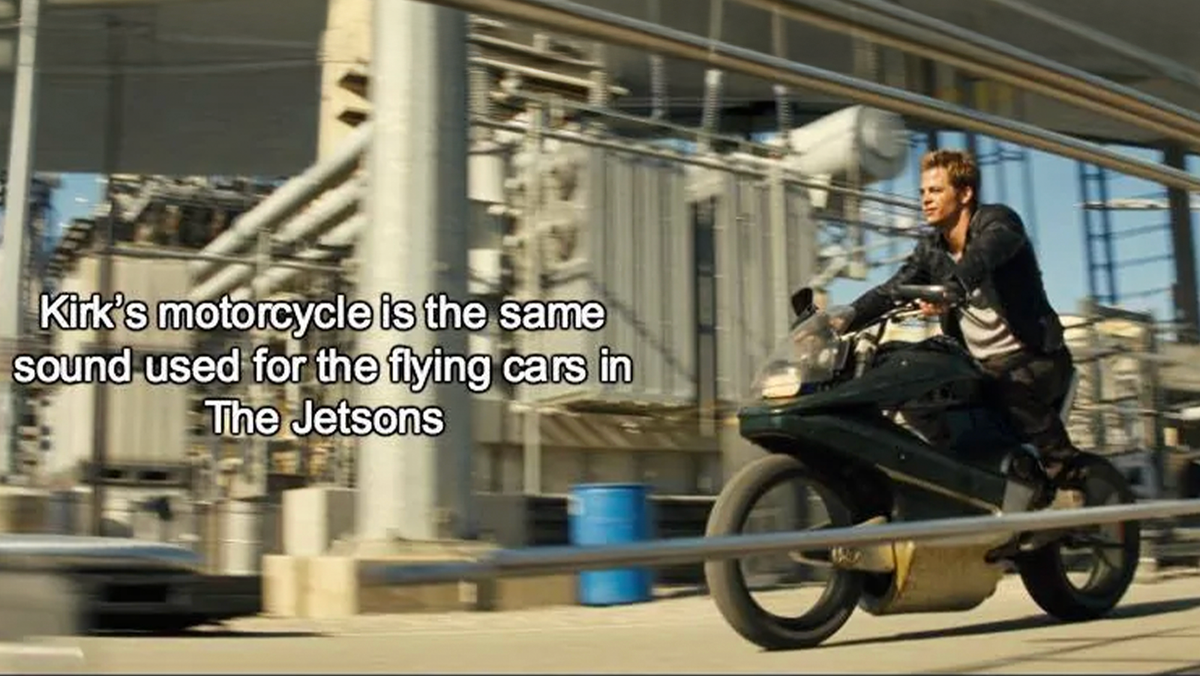
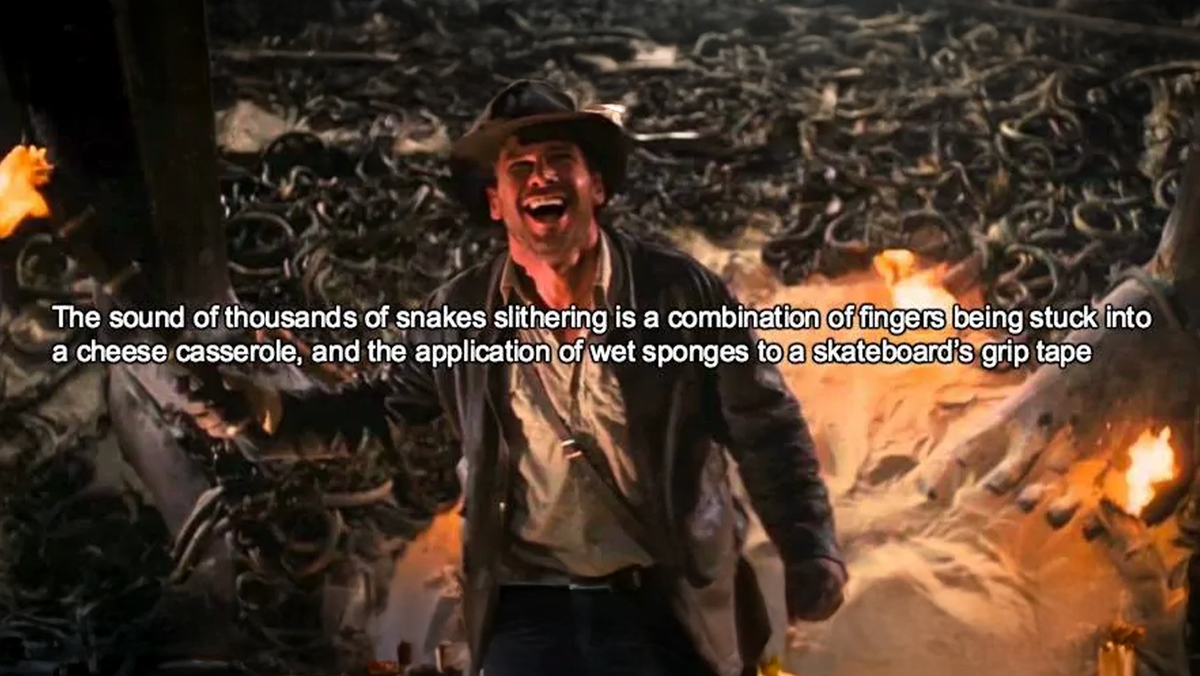
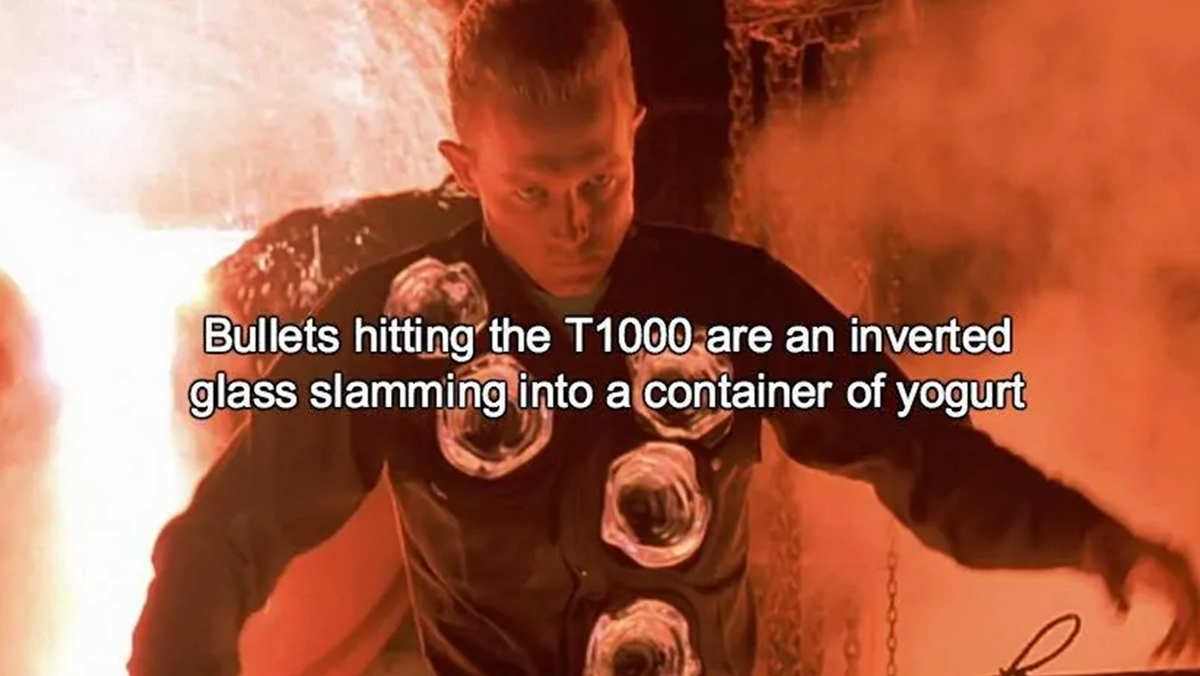
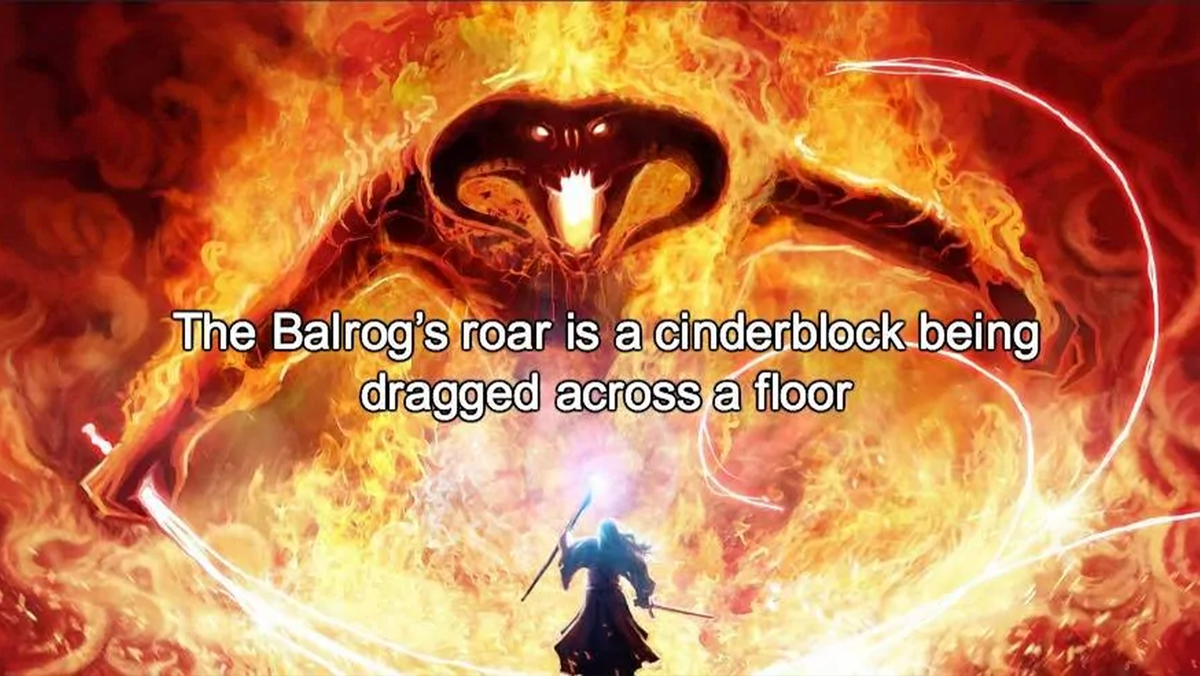
Sound design and Foley play a key role in bringing films to life. The sounds created behind the scenes can be just as important as the visuals we see on screen.
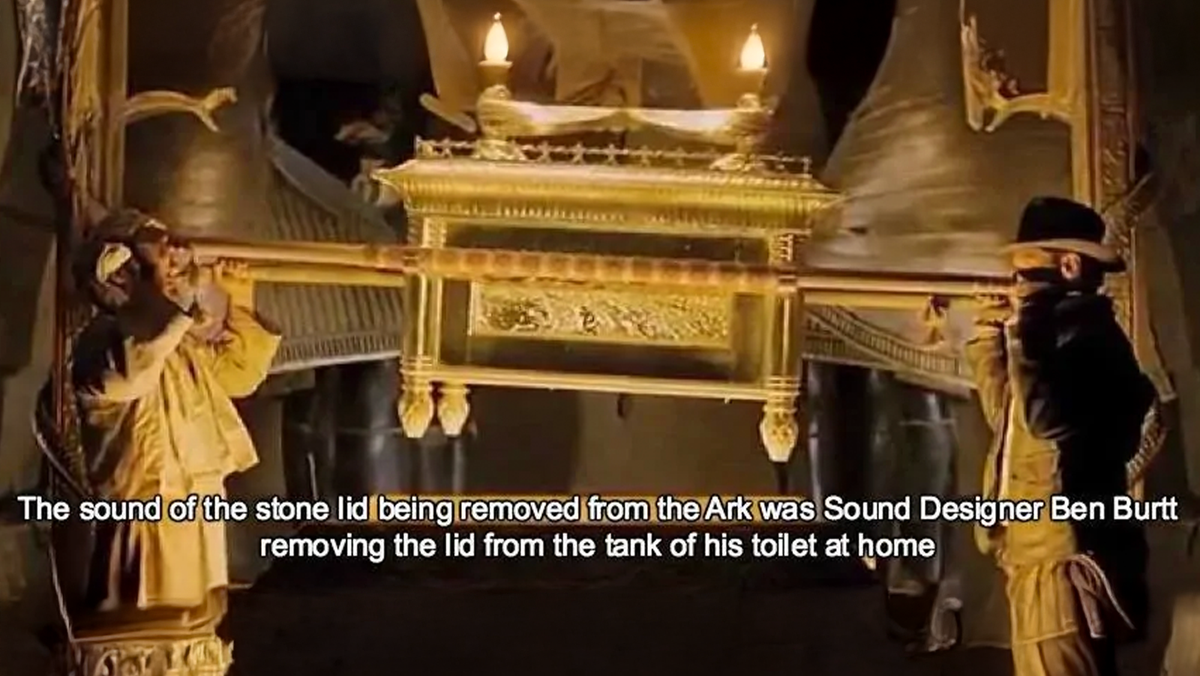
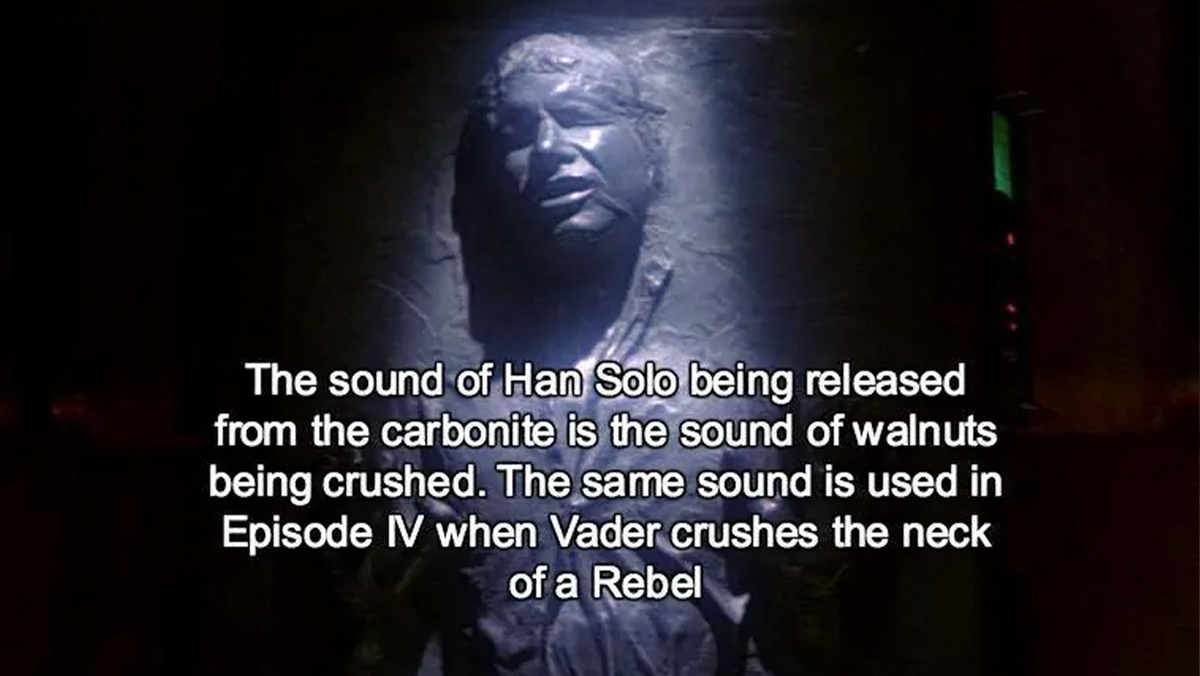
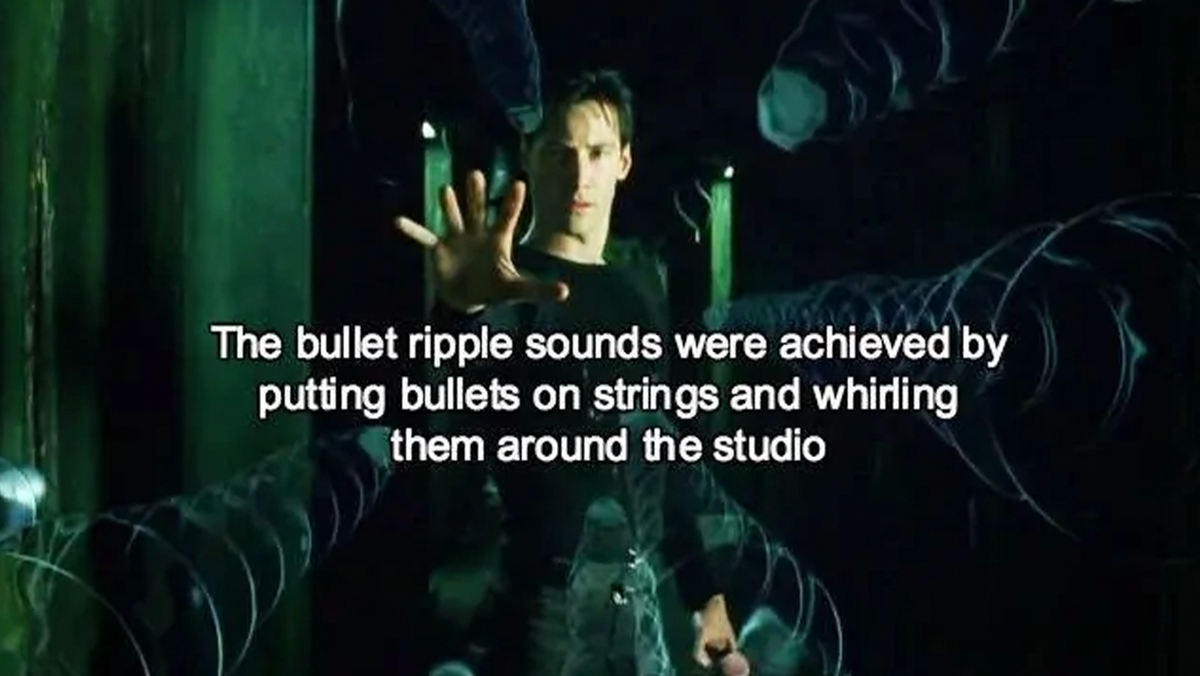
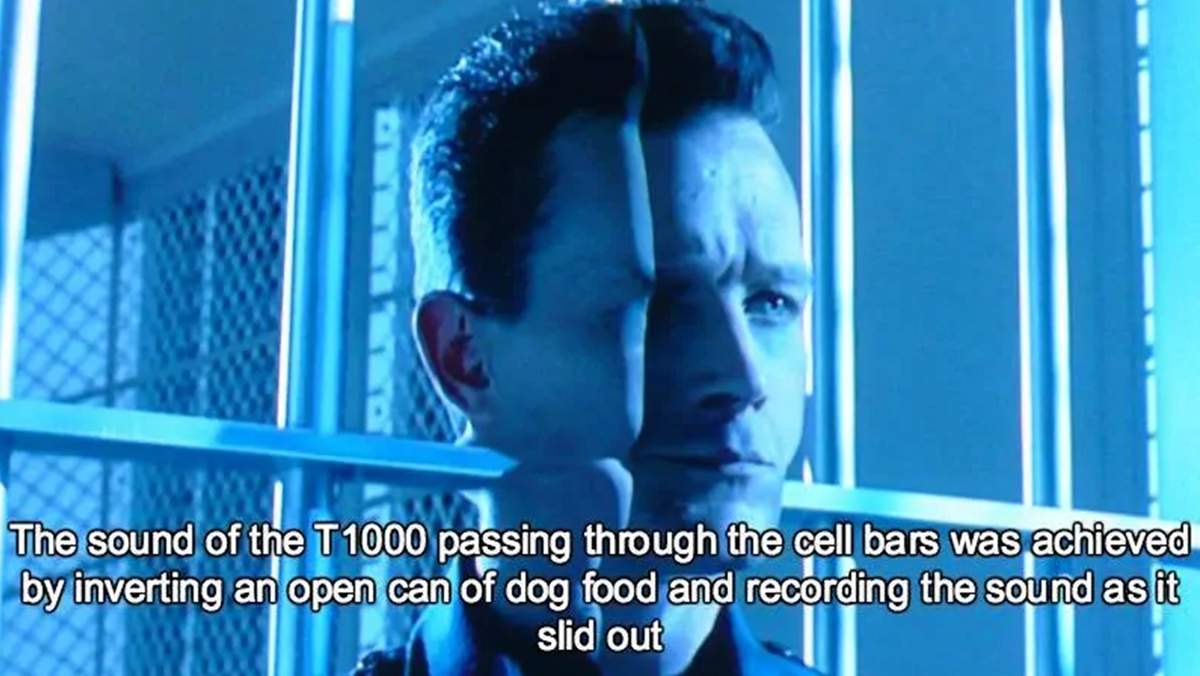
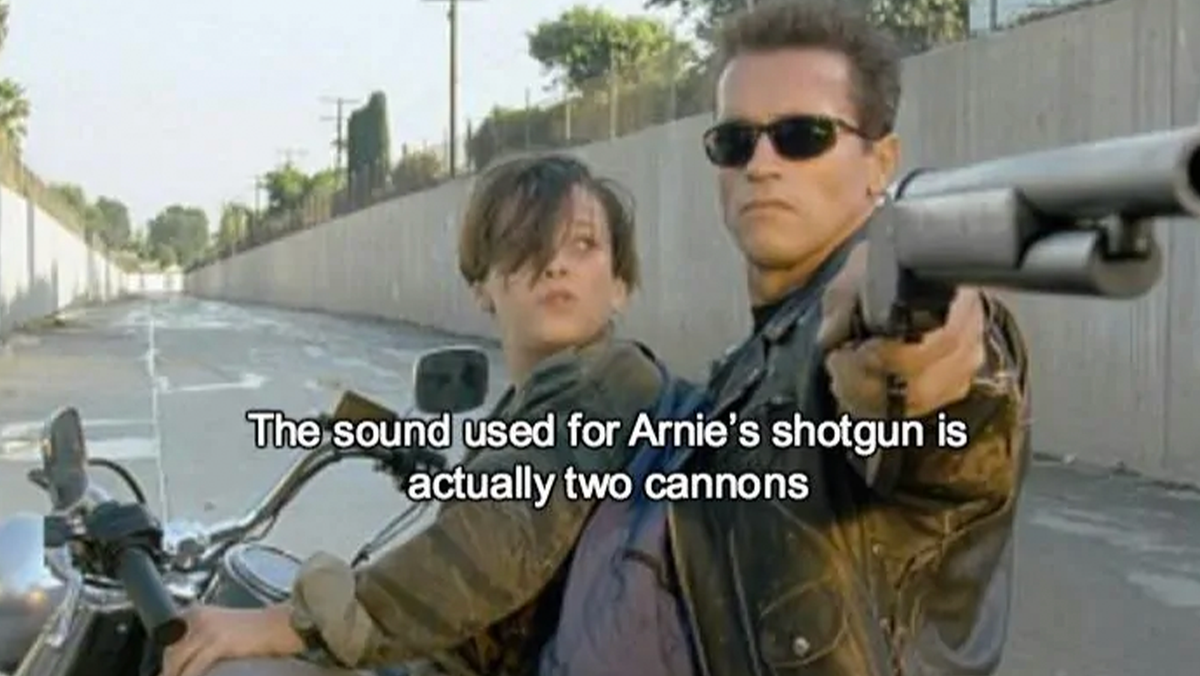
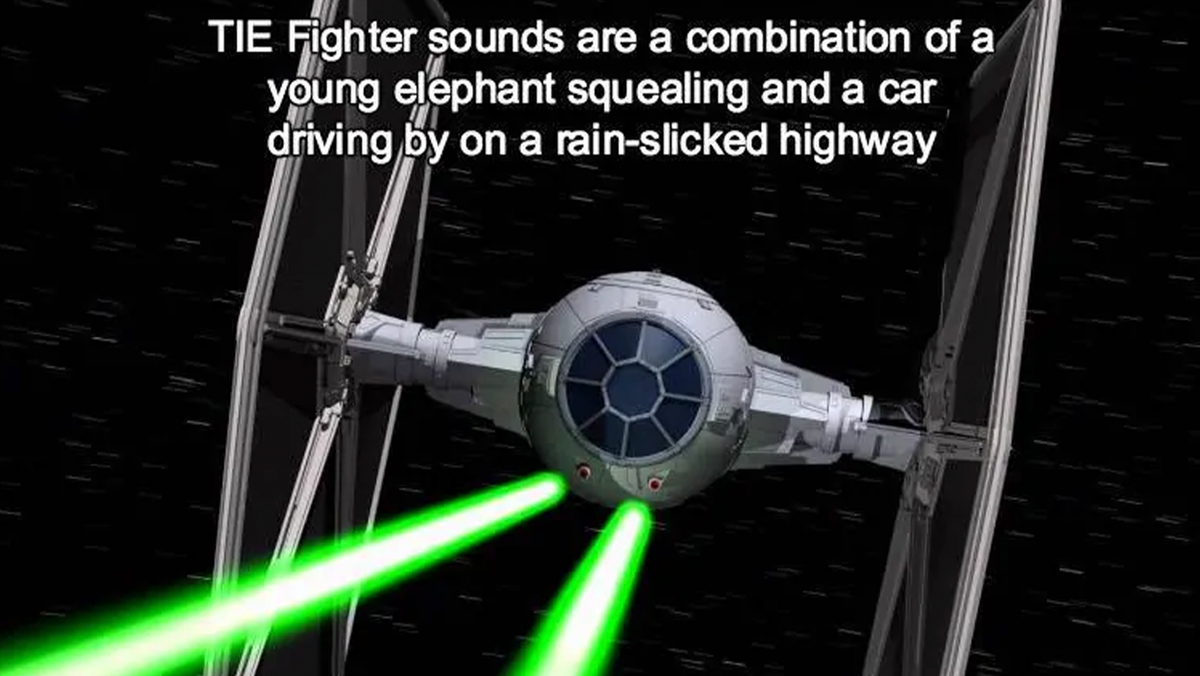
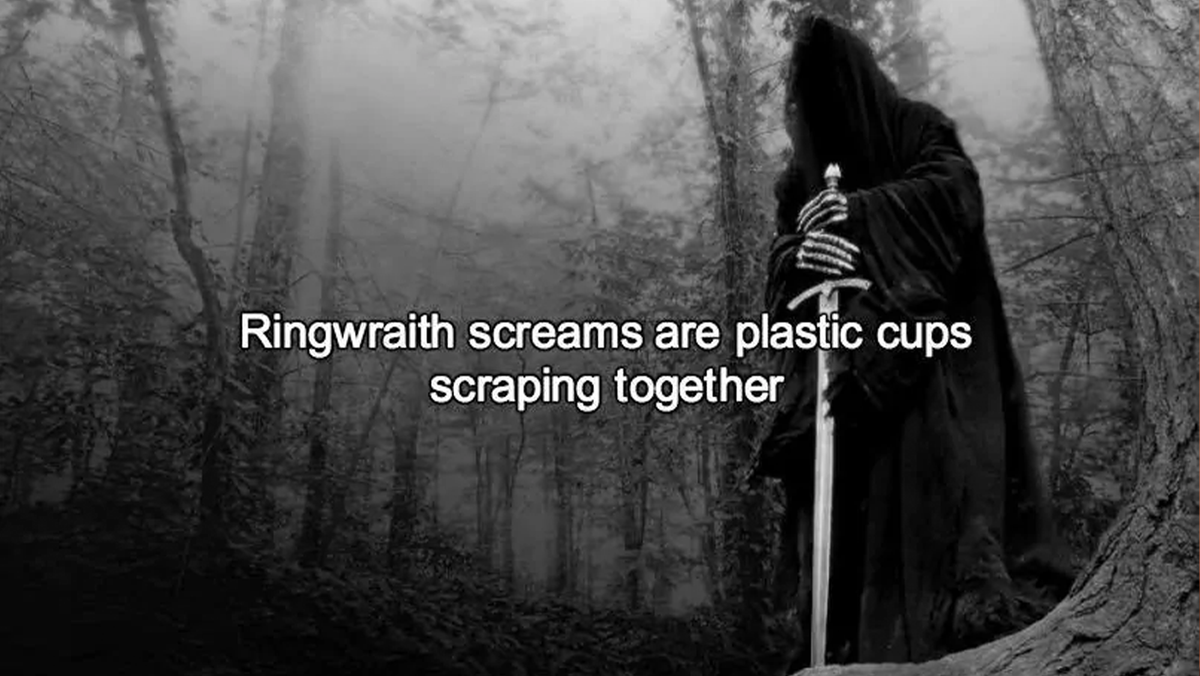
Sound helps create atmosphere, realism and emotional impact. From footsteps and explosions to creatures and entire environments, carefully designed audio can completely change how we experience a scene.
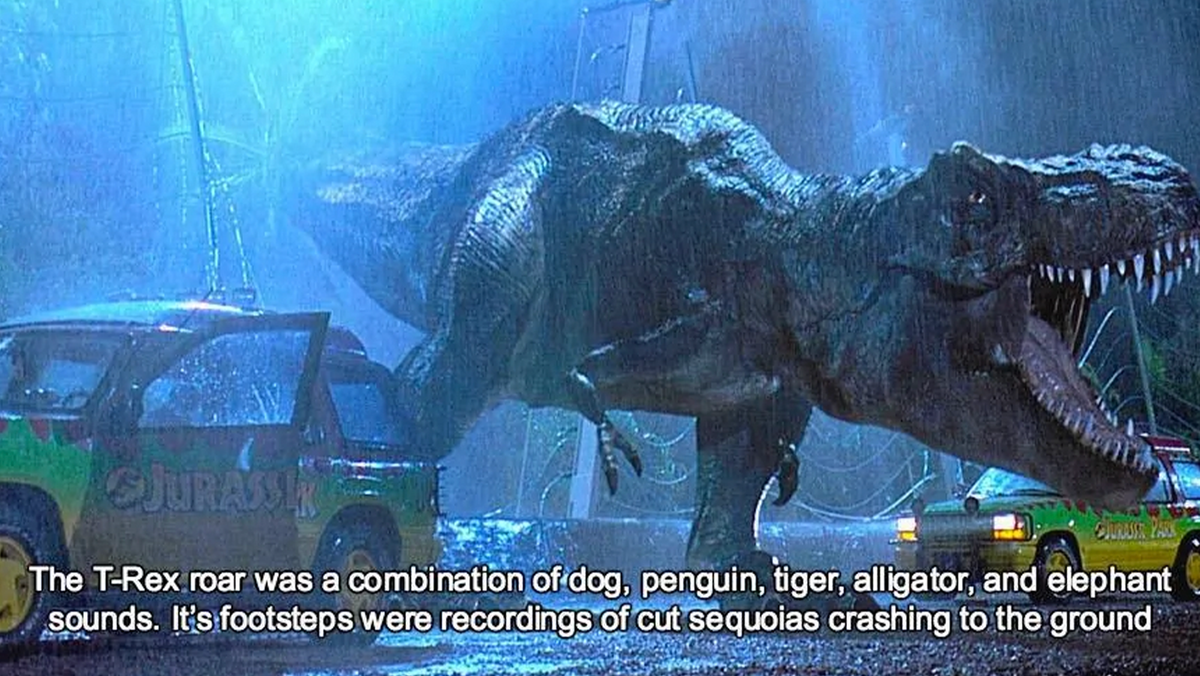
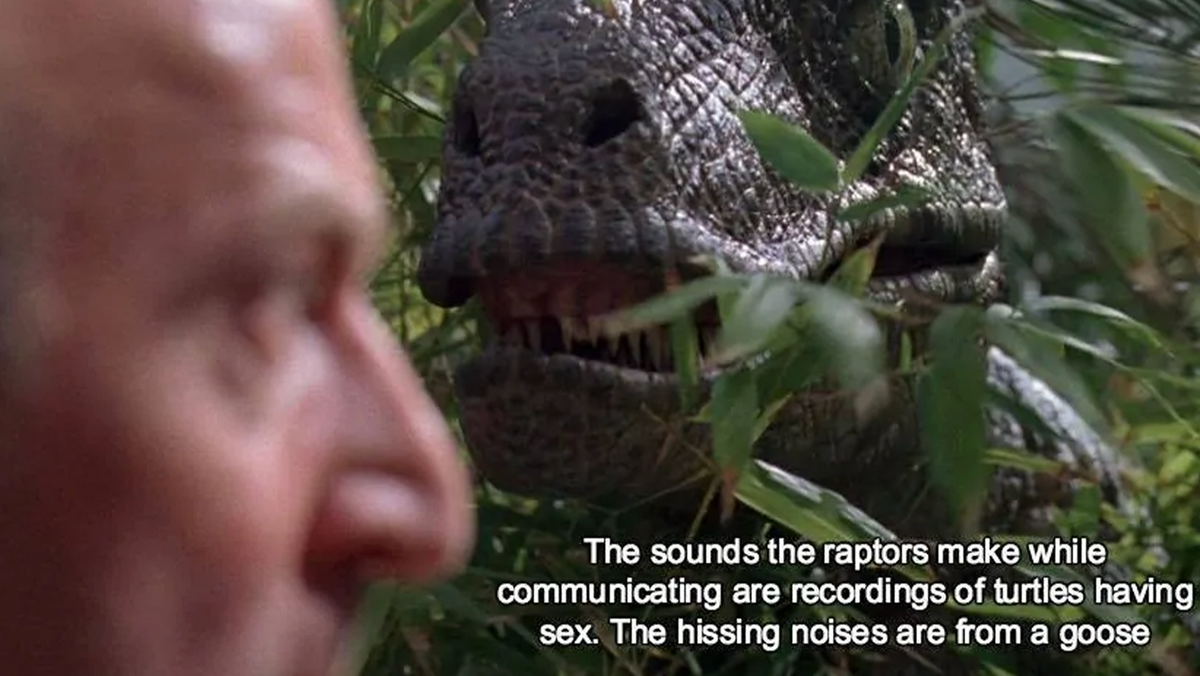
Of course, not every sound can simply be recorded. If a film needs the roar of a T-Rex, for example, there is no real dinosaur available to put in front of a microphone. Instead, sound designers have to create something that audiences will believe belongs to the creature.
The famous T-Rex roar in Jurassic Park is a perfect example. It was created by combining and manipulating recordings from several different animals, including a dog, penguin, tiger, alligator and elephant.
In this article, we'll explore how sound designers use recording, Foley, layering, processing and creative experimentation to produce some of the most iconic sounds from our favourite films.
Creating film sound can involve: